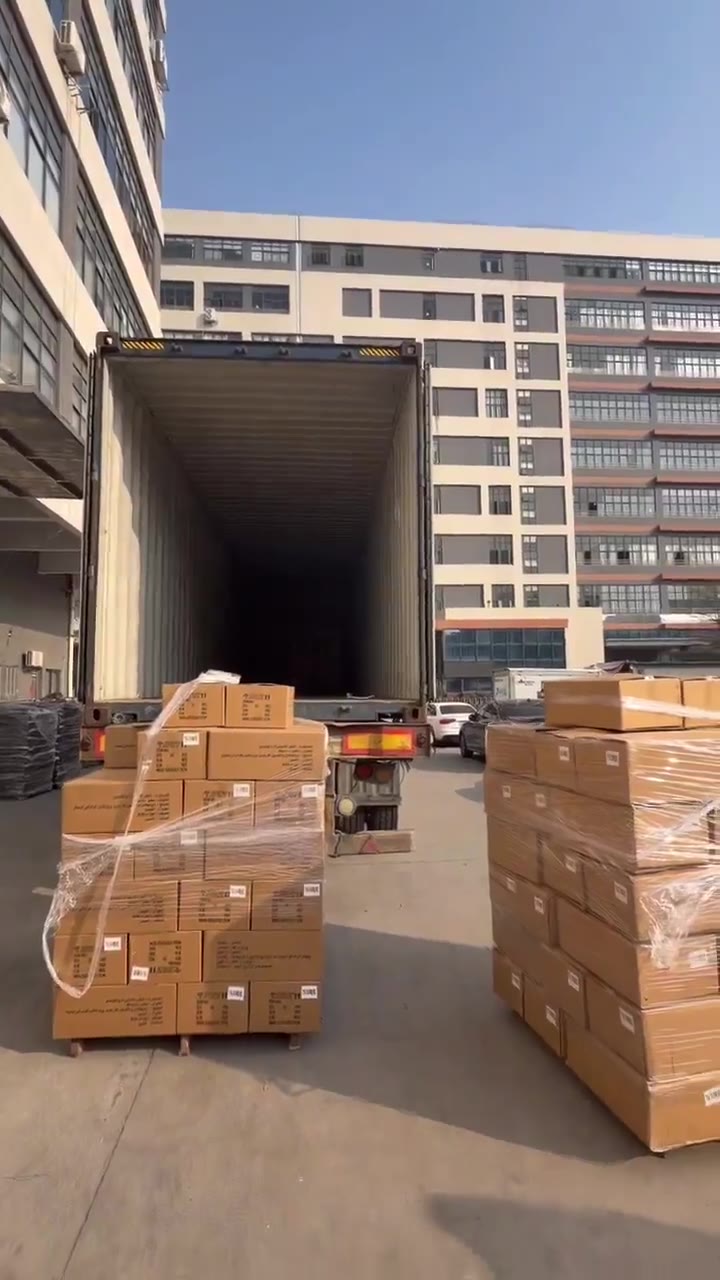
After an importer builds a local distribution network, the next question is not only how to move goods. The buyer also needs a documented dealer-economics model covering landed cost, local resale price, credit, service, promotion, returns, inventory and territory allocation. Those inputs come from the buyer's current market and channel records.
For B2B appliance importers, model separation and channel discipline can reduce avoidable price conflict. They are planning controls, not promises that dealers will accept the range or that the buyer will achieve a target margin or repeat sale.
Dealer Economics Starts with Buyer-Owned Channel Data
If the same model is offered across every shop, region and online channel, direct comparison can intensify. The importer should therefore record the landed cost, proposed dealer terms, resale-price range, service burden, stock cover and territory logic before assigning a model to a channel.
The factory can identify the quoted product version, packing scope and order conditions. It does not set or enforce local resale prices, dealer margins, territory rights or competition rules. The importer should keep those decisions under current local commercial and legal review.
Do Not Put Every Model into Every Channel
One common mistake is sending the same appliance model into wholesale markets, appliance shops, supermarkets and online channels at the same time. This may create fast exposure, but it can also create channel conflict. The importer may see short-term movement while losing long-term dealer trust.
A better method is to separate model roles. A simple model can be used for high-volume wholesale distribution. A better-looking model can be reserved for appliance shops. A cleaner packing version can support supermarkets. A compact or easy-demonstration model can support online bulk sellers. The importer still sells from the same factory system, but the channel roles become clearer.
Regional Dealers Need Territory Logic
When an importer supplies different cities or regions, dealer allocation should follow buyer-verified capacity, current stock, sell-through and service coverage. A mature dealer and a new test channel may require different release rules inside the importer's total order plan.
Territory logic is especially relevant for products with visible retail comparison, such as air fryers, blenders, electric fans, rice cookers and water dispenser pumps. Allocation can reduce avoidable duplication, but the buyer must monitor actual dealer stock, discounting, returns and reorder evidence before changing quantity.
Model Separation Reduces Price Conflict
Model separation does not always require a completely different product. It can be a different capacity, control panel, accessory set, packing level, color box direction or model code. The goal is to give each channel enough separation so that buyers are not comparing the exact same item in every place.
For example, a wholesale market may focus on a practical air fryer model with simple packing. A supermarket channel may need clearer shelf presentation. An appliance shop may require a controlled display version. An online seller may need a product that can be demonstrated accurately in short video. This separation reduces direct model comparison; margin and sales outcomes still depend on the buyer's landed cost, pricing, channel execution and demand evidence.
Packing Consistency Helps Dealers Build Trust
Consistent packing, model information and product appearance reduce the risk that dealers describe or display the wrong version. If a shipment changes, the importer may need to update product content, service information and channel records before release. Version consistency supports accurate representation; it does not guarantee dealer confidence or repeat sales.
OEM packing can be useful when the importer wants to build a brand, but OEM should support channel discipline. A logo alone is not enough. The carton, color box, manual language, model code and product photo should help dealers present the item clearly to local buyers.
Factory Version Discipline Protects the Approved Order
For long-term cooperation, the factory should identify the approved model, configuration, packing and revision for the actual order, disclose proposed changes and reconfirm current repeat-order feasibility. It should not claim to know which model will succeed in the buyer's market. Availability, timing and unchanged repeat supply must be confirmed for each order.
When the buyer shares market direction, preferred channels and reorder expectations, the factory can give more useful support. This may include model comparison, carton planning, OEM packing discussion, mixed container arrangement and repeat-order timing.
Use Dealer Feedback Before Expanding
Before expanding to more dealers or more regions, importers should collect real feedback from the first group of sellers. Useful feedback includes which model sells fastest, which price range is easier to accept, which carton gets damaged, which product questions repeat, and which channel asks for more stock.
This feedback helps the importer decide whether to expand the same model, separate models by channel, improve packing, adjust accessories or build a more stable OEM line. Expansion without feedback can increase stock pressure. Expansion with feedback can create a stronger dealer system.
How Yaoyuan Electric Supports Distributor Buyers
Zhongshan Yaoyuan Electric Appliance Co., Ltd. supplies small home appliances for importers, distributors, wholesalers, supermarket buyers, appliance shops, online sellers with bulk demand and OEM brand customers. Main categories include air fryers, blenders, electric fans, rice cookers, ovens, ceramic hobs, water dispenser pumps, vacuum sealers and other kitchen appliances.
We support model comparison, OEM logo discussion, neutral packing, customized color box direction, mixed-container planning and repeat-order version review according to buyer requirements. MOQ starts from 1000 PCS. Wholesale only. Retail and one-piece orders are not accepted.
Dealer Economics Review Checklist
- Separate model roles for wholesale, appliance shop, supermarket and online bulk channels
- Plan regional allocation before sending the same product everywhere
- Keep packing, model code and product appearance consistent for repeat orders
- Collect dealer feedback before expanding to more cities or more channels
- Discuss repeat supply, OEM packing and mixed container planning with the factory before ordering