Distributor range
Choose a limited launch range for the actual channel and price position, then keep each model tied to a specific jar, accessory and packing version.
Blenders catalog
Review real blender and juicer catalog models before sending a wholesale inquiry. MOQ starts from 1000 PCS. OEM logo, custom packing, plug type and voltage configuration can be discussed by selected model and target market.
This category is suitable for appliance importers, supermarket buyers, kitchen appliance distributors, online sellers with bulk demand and OEM brand customers.

Commercial Buyer Fit
This blender supplier for importers separates household, juicing, multi-function and higher-duty requirements before model selection. A bulk blender supplier should not promise performance from wattage alone; the approved jar, blade, coupling, motor protection, duty cycle, accessories and operating test must define the released order.
Choose a limited launch range for the actual channel and price position, then keep each model tied to a specific jar, accessory and packing version.
State the intended ingredients, batch size, operating pattern and acceptable test method. The word commercial is not treated as proof of continuous-duty performance.
Confirm country, voltage, frequency, plug, food-contact parts, language files, labels and importer evidence for one destination-market version.
Send the model direction, intended use, quantity, market, OEM scope, destination port and trade term so the quotation compares the same controlled configuration.
Supplier verification
Confirm the legal company and order evidence before sharing recipes, artwork, market files or commercial information.
Catalog responsibility
Compare the available source image, model identity and specification fields for dual-cup, multi-function, juicer and high-speed blender directions.
SC-9880 has a 3L title but a 3.5L field, SC-5542 has an incomplete capacity line and AM-0396 has an invalid capacity entry. These records need corrected current-sample confirmation.
Published capacity and wattage do not prove blending result, duty cycle, ice-crushing ability, jar construction, accessory set or commercial suitability.
Shortlist one exact model, define intended ingredients and market version, then submit quantity, packing and destination details through the formal RFQ.
Control Specification & SampleFast Selection Layer
A jar size or wattage line is not enough to select a blender. Start with the ingredients, duty cycle, buyer channel and evidence the released product must pass, then compare only models that can be controlled to the same order definition.
Separate household blending, juicing, multi-function and higher-duty directions before comparing capacity or appearance. State the intended ingredients and operating pattern.
Do not infer commercial suitability from wattage. Approve the jar, blade, coupling, motor protection, operating test and allowed duty cycle for the exact model.
Connect the model identity, jar and blade, accessories, controls, electrical version, packing and acceptance evidence to one signed order version.
USA, Latin America and EU projects can require different electrical, language, label, operator and evidence files. Release one country-and-SKU version.
Coordinate Spanish or Portuguese files, market configuration, channel positioning, landed cost, inspection and replenishment inputs.
Define the 120V / 60Hz direction, private-label handoff, importer evidence, inspection and service responsibilities before quotation.
Connect intended food use, food-contact parts, electrical evidence, economic-operator files, languages, OEM artwork and batch release.
Real catalog products


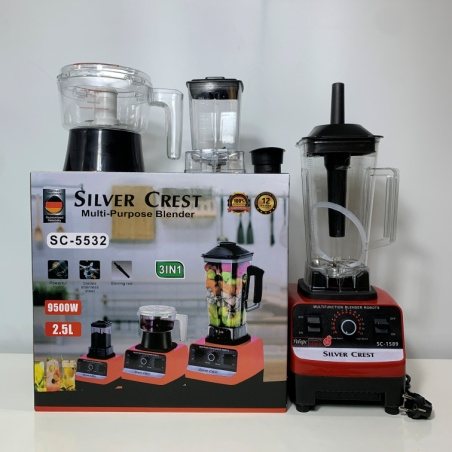


Blenders
Verification: Capacity is unconfirmed. Verify nominal and usable capacity for each included vessel on a current labeled sample before quotation, artwork or loading calculations.

Blenders
Confirm nominal and usable capacity on a current labeled sample before quotation or artwork.


Blenders
Verification: Capacity is unconfirmed because the source capacity field contains Carton. Verify nominal and usable capacity for each included vessel on a current labeled sample before quotation, artwork or loading calculations.


Blenders

Blenders

Blenders
Additional kitchen preparation references
The original 17 blender and juicer records remain above. The 36 additional references below keep their own model identifiers, source notes and inquiry routes.
Compare LH-805/P430 and LH-806/P431 as separate 110 mm slow-auger references with matching published fields. For a centrifugal format, review LH-618/P438's 65 mm feed tube and separate collection containers. For a blender, LH-553/P448 lists two 600 mL vessels and a 100 g grinding cup. Open the exact record before preparing a quotation.
These two slow-auger references have matching published fields below. Their published specifications do not establish a functional difference. Retain each exact model and catalog reference when requesting samples or quotations; an AI illustration is not evidence of a different mechanism, performance or included accessory set.
For LH-805/P430 or LH-806/P431, confirm the reverse control, spout configuration, current sample and written order specification. Matching listed fields do not establish that the two order versions are identical or interchangeable.
2 reviewed catalog references
Compare slow juicer feed openings, published input options and container arrangements within the existing blender and juicer range.
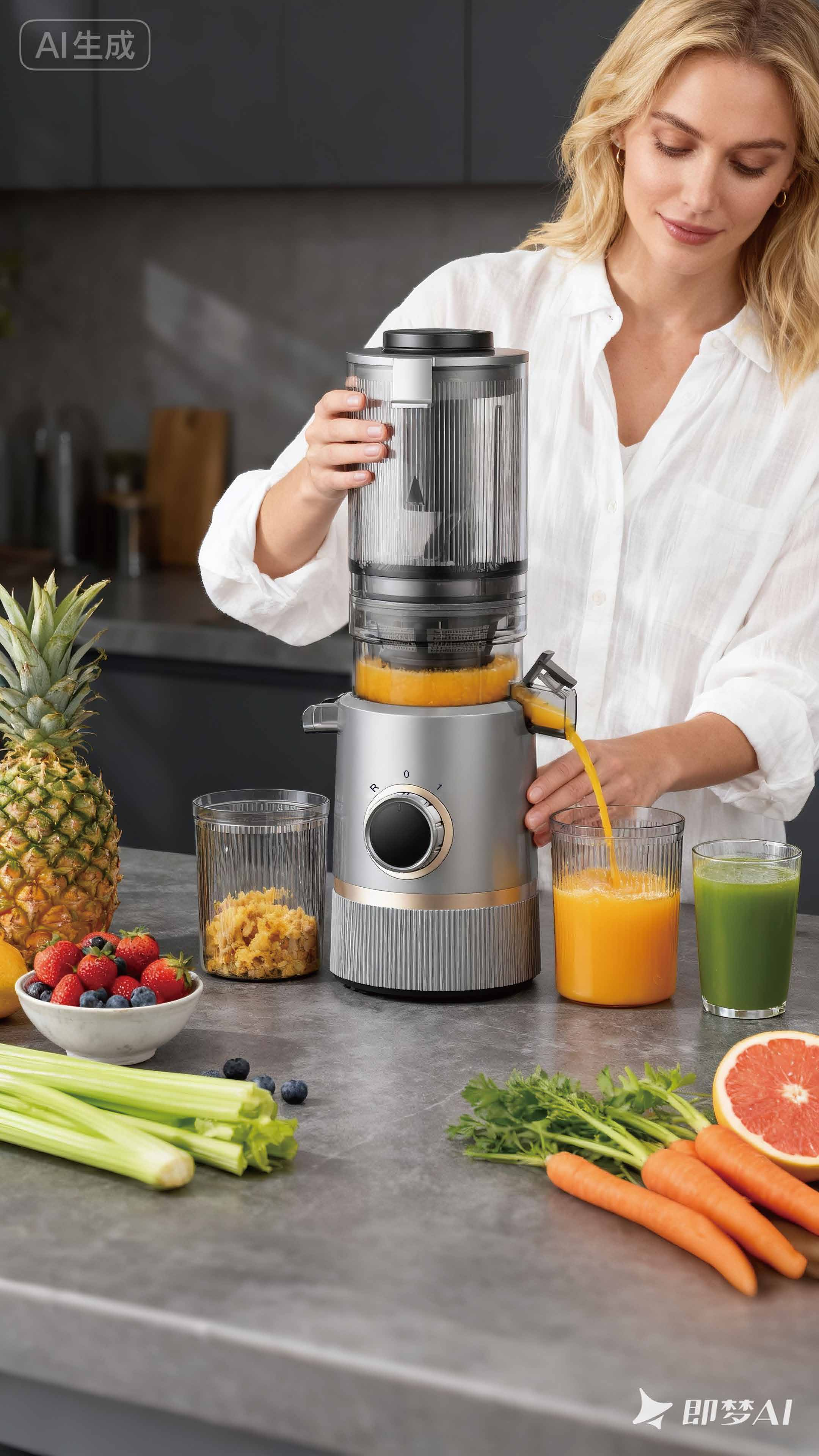
LH-805Catalog P430
AI-generated catalog illustration, not a product photograph. Appearance, accessories and depicted use are illustrative; confirm the current sample and order specification.
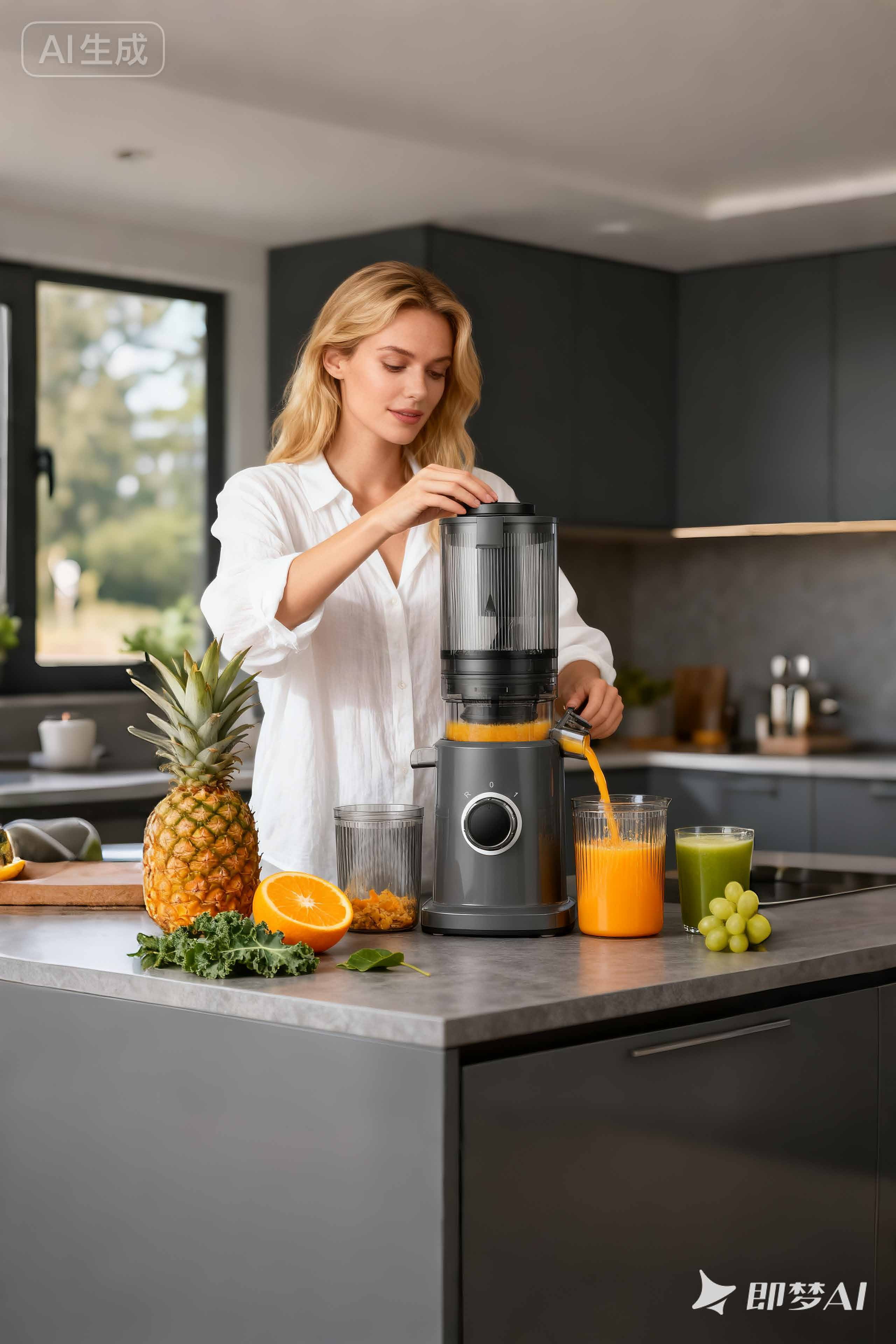
LH-806Catalog P431
AI-generated catalog illustration, not a product photograph. Appearance, accessories and depicted use are illustrative; confirm the current sample and order specification.
Before sample approval
Select the feed opening and ingredient preparation requirements, then verify the strainer, outlet and cleaning arrangement. Catalog descriptions do not establish measured yield or noise.
Confirm feed opening, preparation limits, strainer and outlet arrangement.
Approve the juice and pulp containers and all supplied removable parts.
Agree ingredient-specific sample checks, operating limits and the exact electrical version.
Buyer questions
No. Confirm the permitted ingredients, preparation instructions and feed limits for the selected sample. A listed opening dimension is not permission to process every ingredient whole.
No measured yield or noise result is asserted here. Define a repeatable sample test and written acceptance criteria with the selected model.
16 reviewed catalog references
Compare juice extractors and citrus juicers by their distinct extraction format, control arrangement and published electrical references.
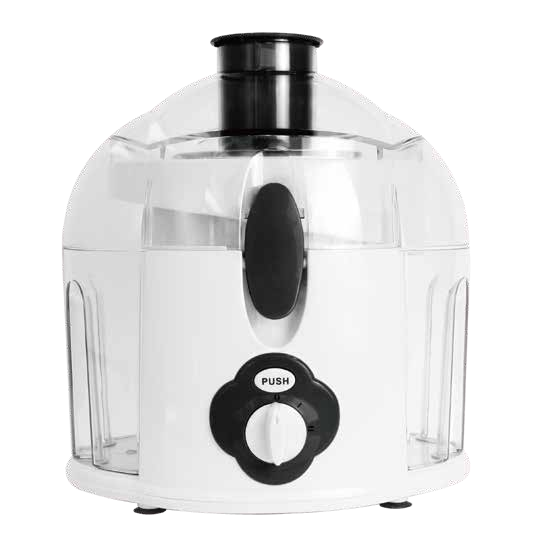
LH-610Catalog P432
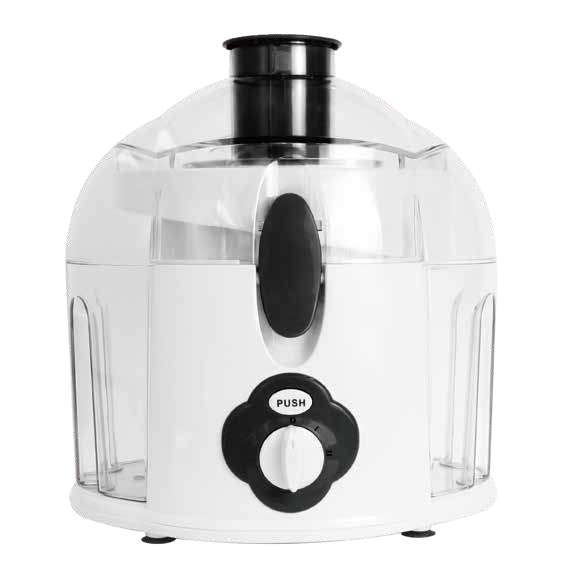
LH-610SCatalog P433
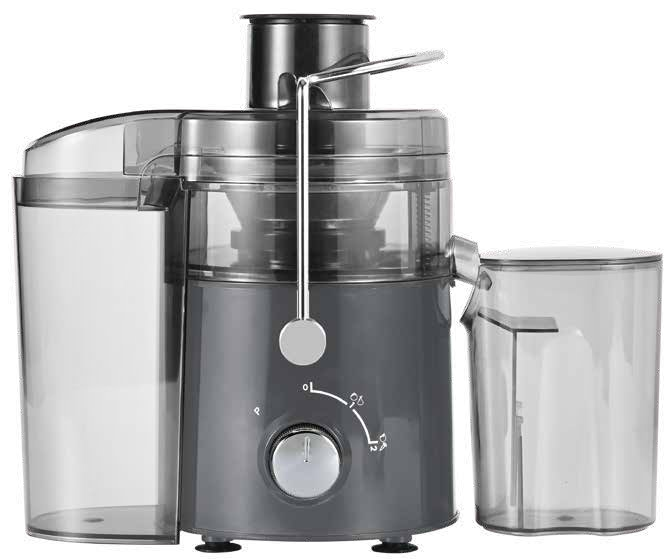
LH-615ACatalog P434
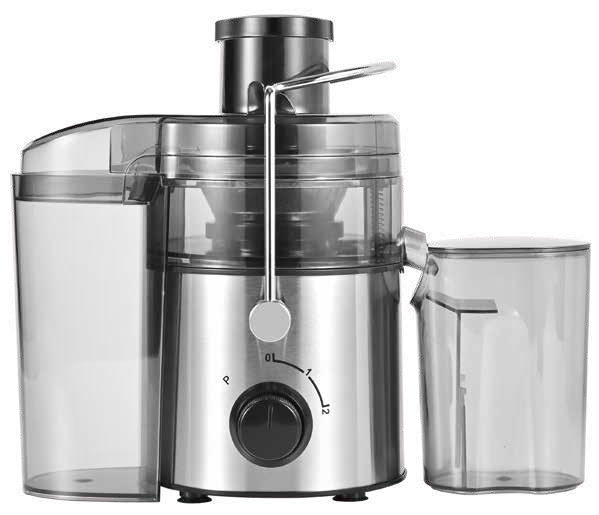
LH-615/615SCatalog P435
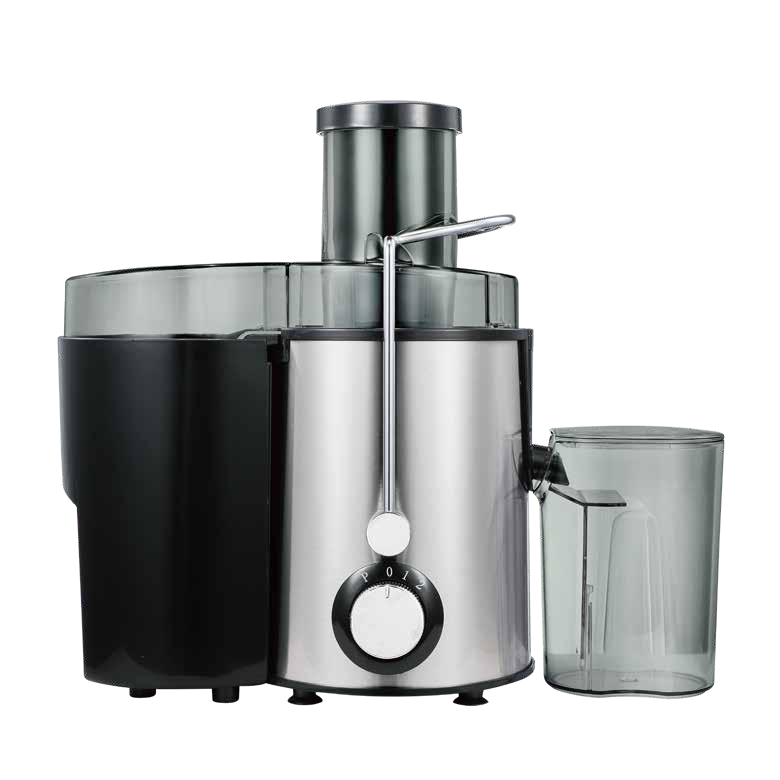
LH-616Catalog P436
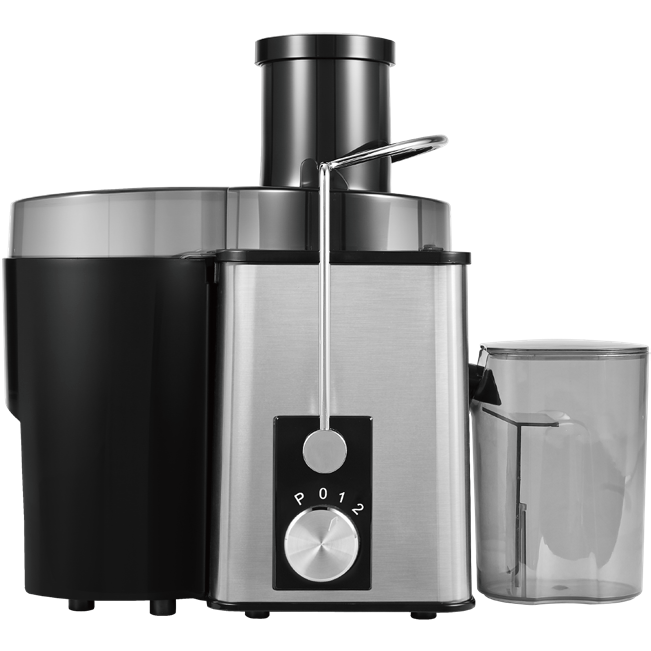
LH-617Catalog P437
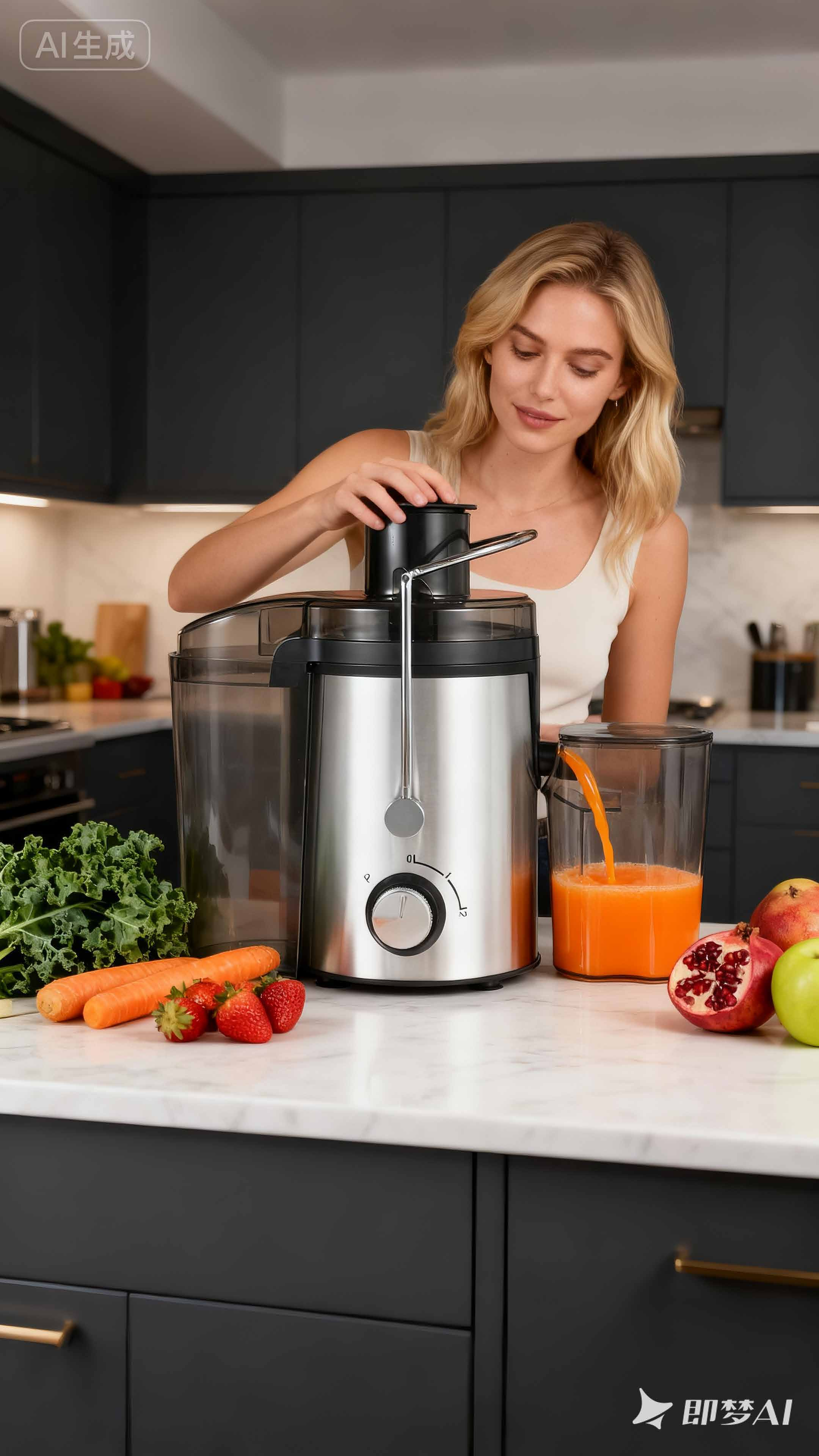
LH-618Catalog P438
AI-generated catalog illustration, not a product photograph. Appearance, accessories and depicted use are illustrative; confirm the current sample and order specification.
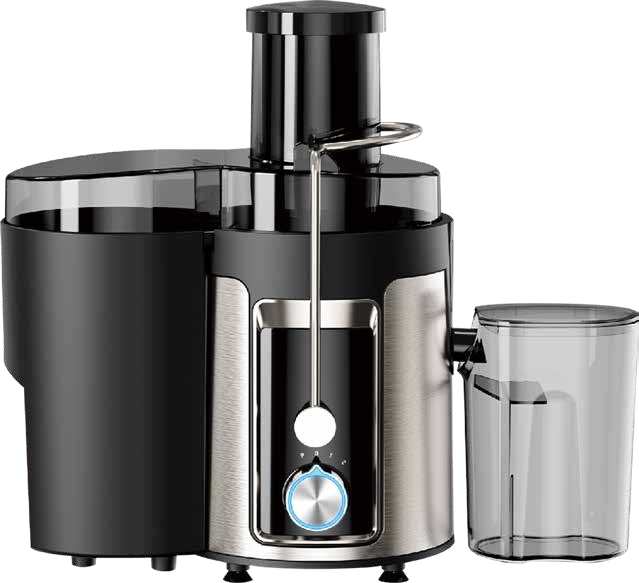
LH-619Catalog P439
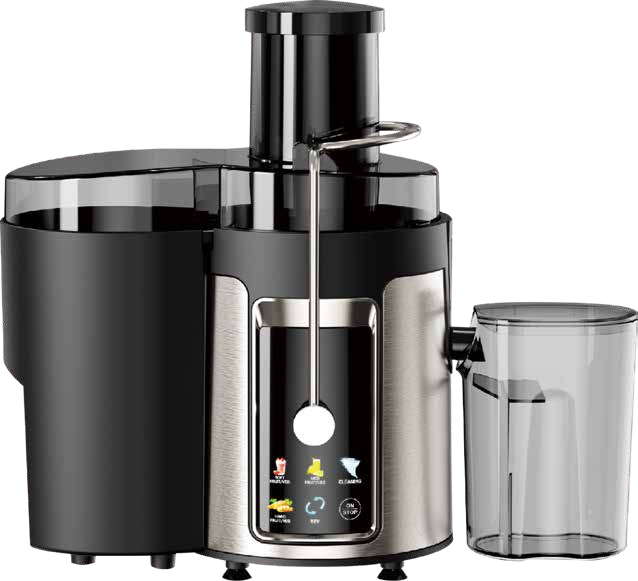
LH-621Catalog P440
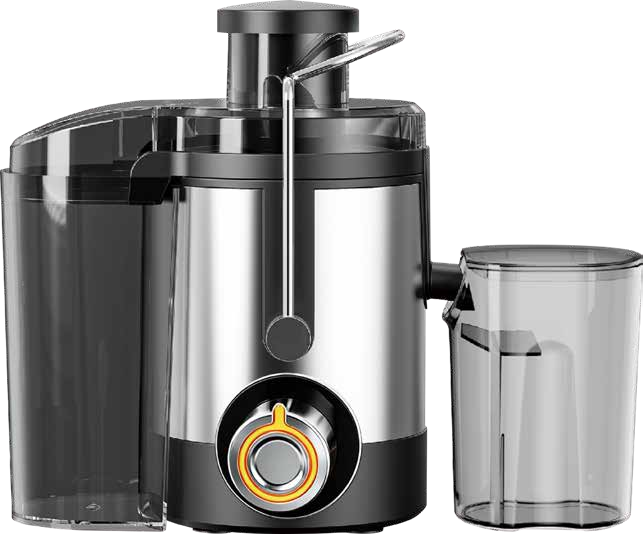
LH-622Catalog P441
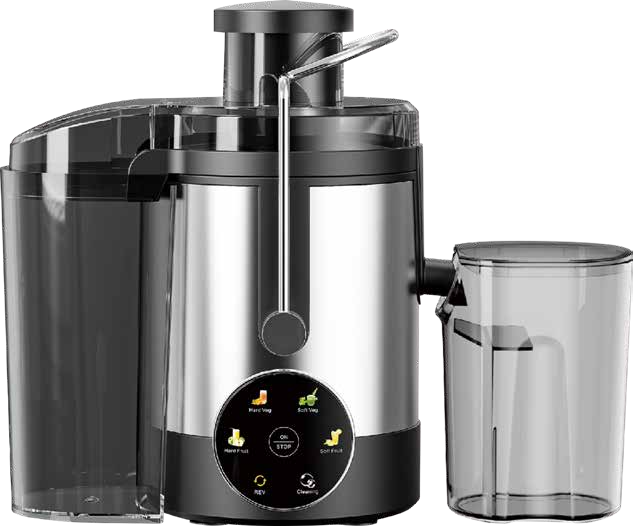
LH-623Catalog P442
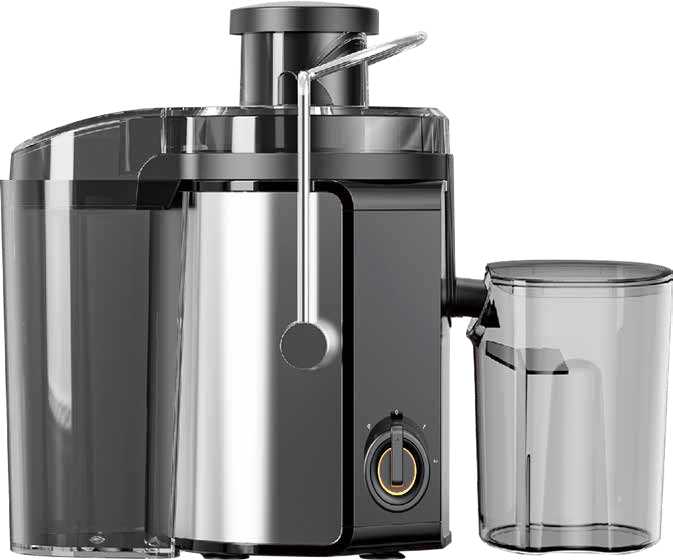
LH-624Catalog P443
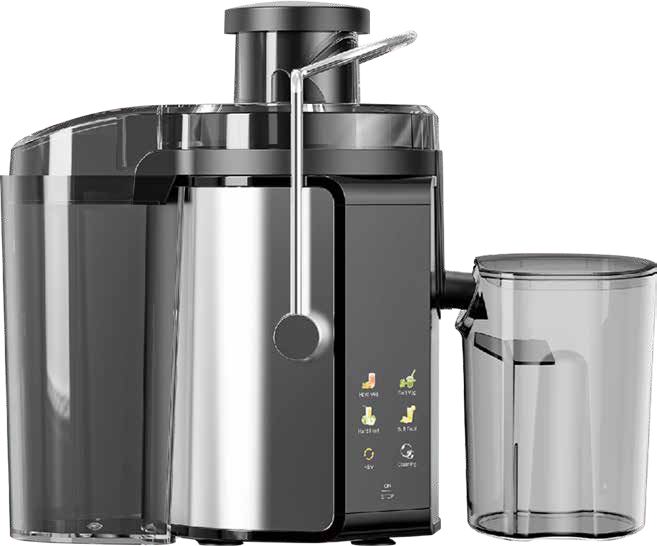
LH-625Catalog P444
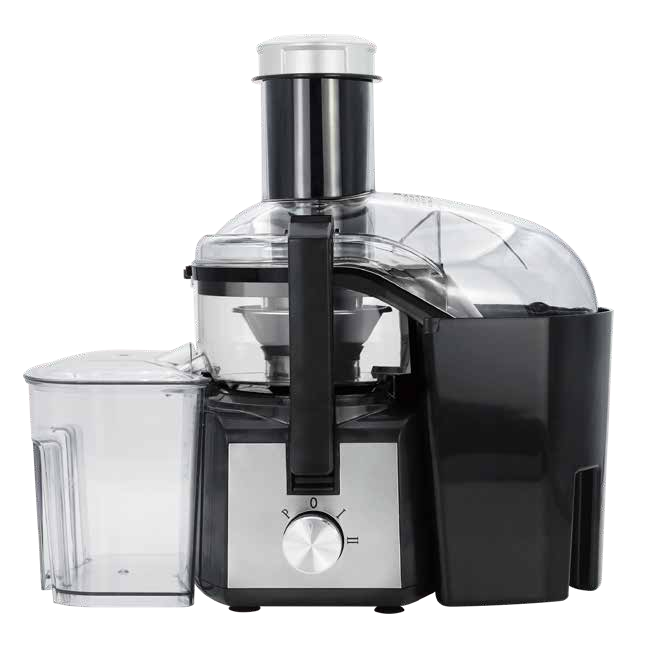
LH-636Catalog P445
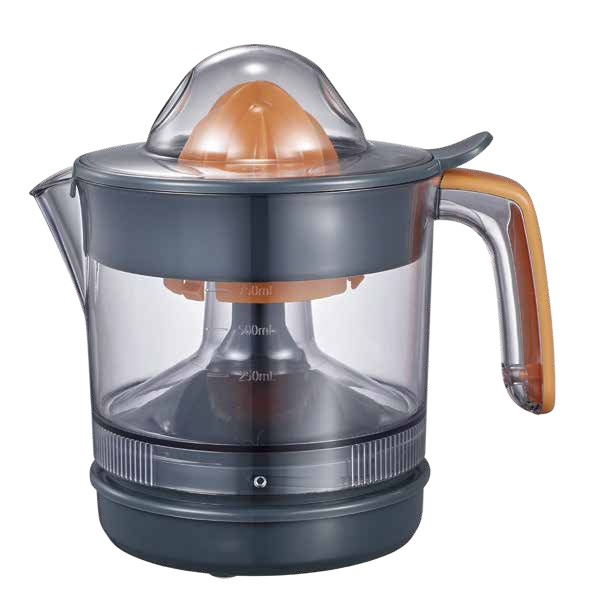
LH-818Catalog P446
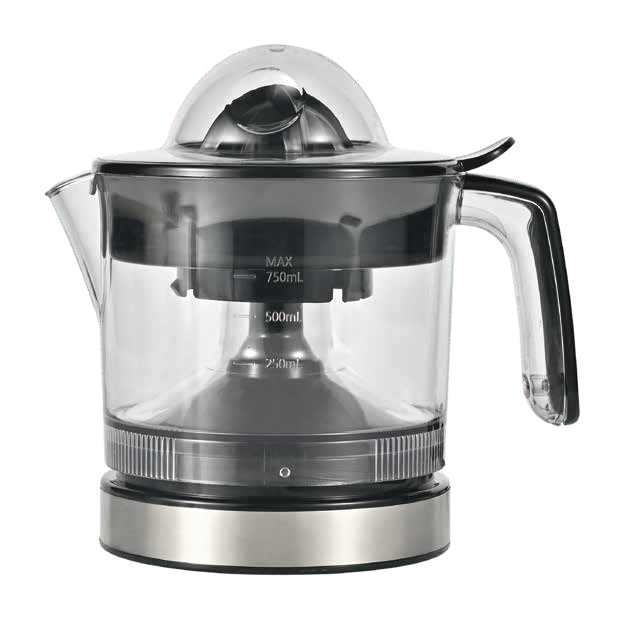
LH-818SCatalog P447
Two 750 mL citrus-juicer records give different cup-and-trim descriptions. LH-818 / P446 lists an AS juice cup; LH-818S / P447 lists an AS juice cup with a stainless-steel trim ring. Keep the cup material and the trim detail separate when matching the model to your product brief.
| Exact model / catalog reference | Catalog cup capacity | Catalog cup description | What the description establishes |
|---|---|---|---|
| LH-818 / P446 | 750 mL | AS juice cup | AS is listed for the cup. A trim ring is not specified in this record; that does not establish that it is absent. |
| LH-818S / P447 | 750 mL | AS juice cup with stainless-steel trim ring | Stainless steel describes the trim ring. The juice cup is still identified as AS. |
Basis: Kitchen Preparation catalog, physical PDF page 29, printed page 54. These are catalog descriptions, not confirmed current-order specifications. The 750 mL figure is a catalog capacity reference, not an approved working-fill limit.
Start the shortlist with LH-818S / P447 because that combination is explicitly described. Keep both the AS cup and the stainless-steel trim ring in the inquiry for that exact model. This is a published starting reference, not a confirmation of the version that can currently be supplied.
LH-818 / P446 lists an AS cup but leaves the trim-ring detail unspecified. It cannot be marked as either a confirmed trim-ring match or a confirmed no-ring version from this description. If only an AS cup is required, both records list AS; a separate trim requirement still needs its own answer.
Neither record establishes that requirement. P447 identifies an AS juice cup with a stainless-steel trim ring, not a stainless-steel cup. Writing "stainless-steel cup" against P447 would change the published material description rather than establish a match.
Keep a different cup-material request open as a question about the exact proposed version. An unconfirmed alternative is not proof that it is unavailable. The trim-ring statement also does not identify every juice-contact part, establish whether the ring contacts juice or provide a material grade or test result.
Use the model links above for the original specifications and their existing model-specific RFQs. State whether the request concerns the AS cup, the trim ring or a different cup material. Leave an unresolved detail marked "to confirm" rather than replacing the catalog description with an assumption.
Before sample approval
Separate citrus pressing from general juice extraction. The extraction mechanism, feed preparation and supplied parts determine the relevant comparison, not a shared juicer label.
Identify citrus-only versus feed-tube extraction format before shortlisting.
Confirm filter or cone, locking parts, pulp and juice containers and cleaning instructions.
Approve the selected electrical configuration, packed accessory set and sample inspection.
Buyer questions
Do not assume interchangeability. Confirm the intended fruit, extraction mechanism and preparation method for the specific model.
State the selected model, filter or cone, containers, cleaning accessories, electrical version and retail packing. Verify the current sample and included parts before order approval.
10 reviewed catalog references
Compare additional jug blender models by jar format, capacity, controls and published motor options alongside the existing blender catalog.
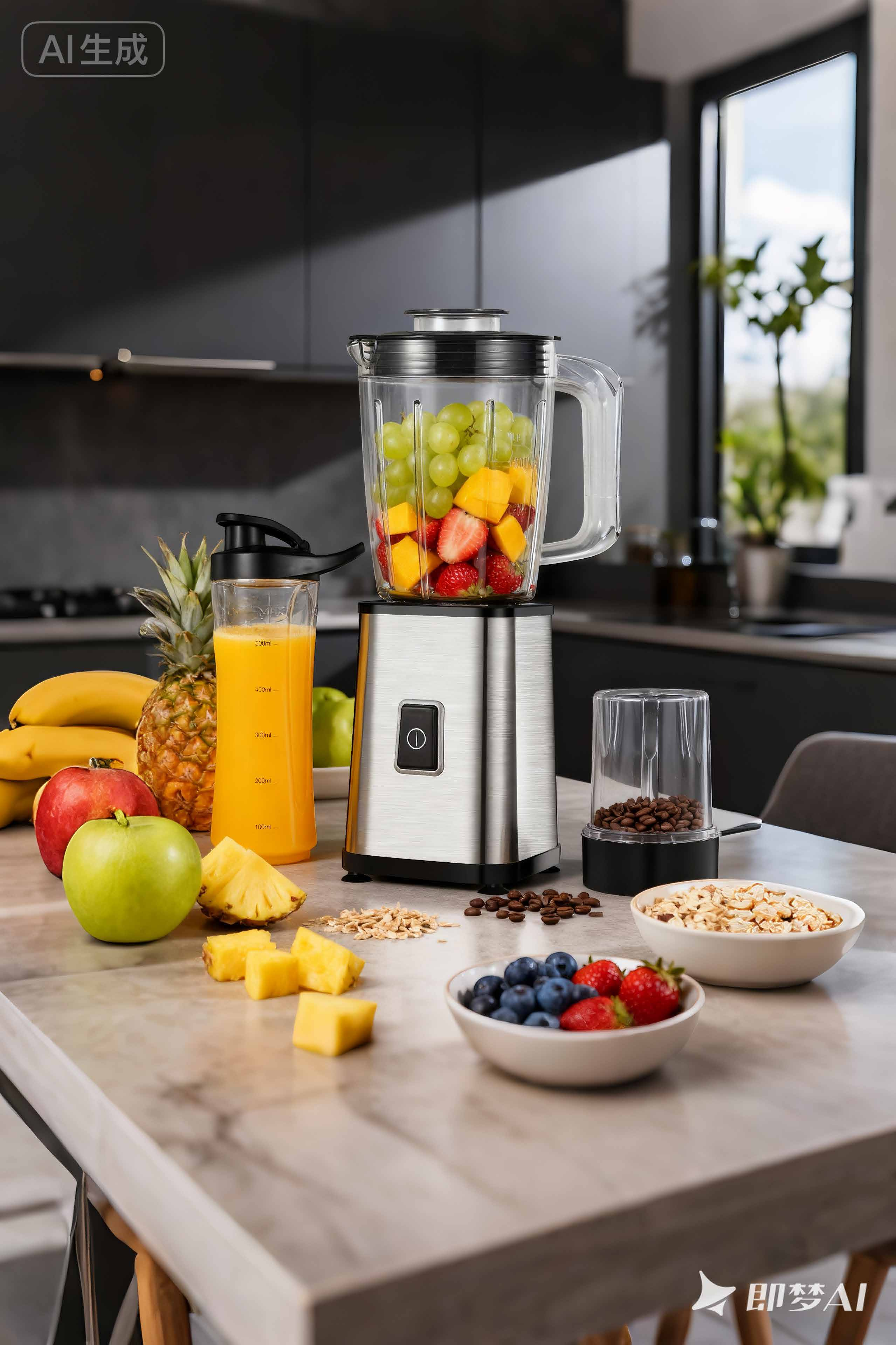
LH-553Catalog P448
AI-generated catalog illustration, not a product photograph. Appearance, accessories and depicted use are illustrative; confirm the current sample and order specification.
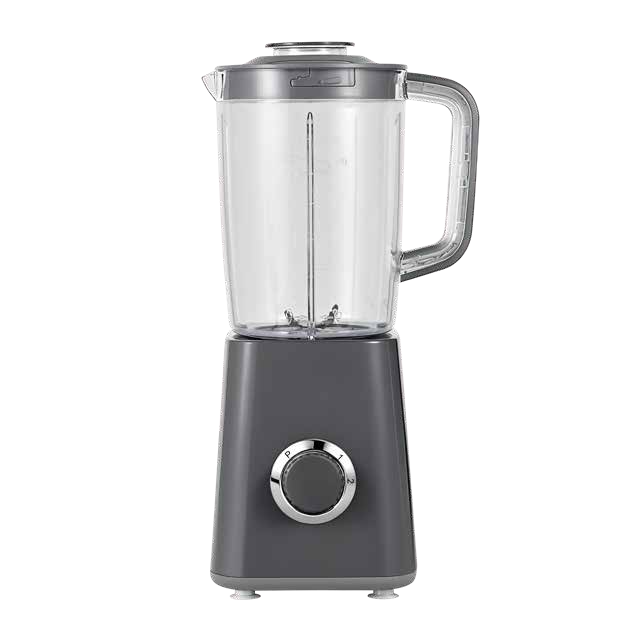
LH-505Catalog P449
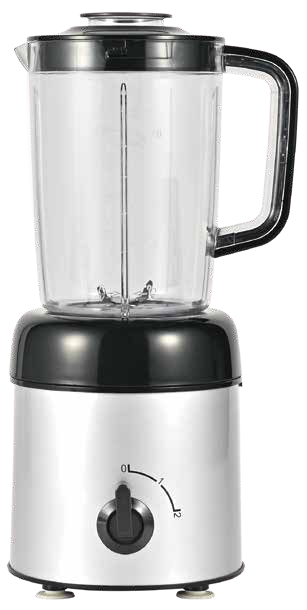
LH-506/506ACatalog P450
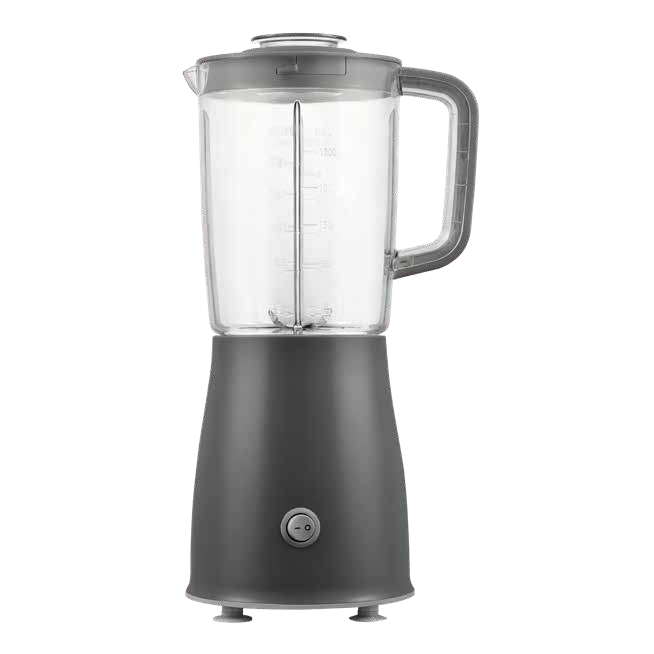
LH-508Catalog P451
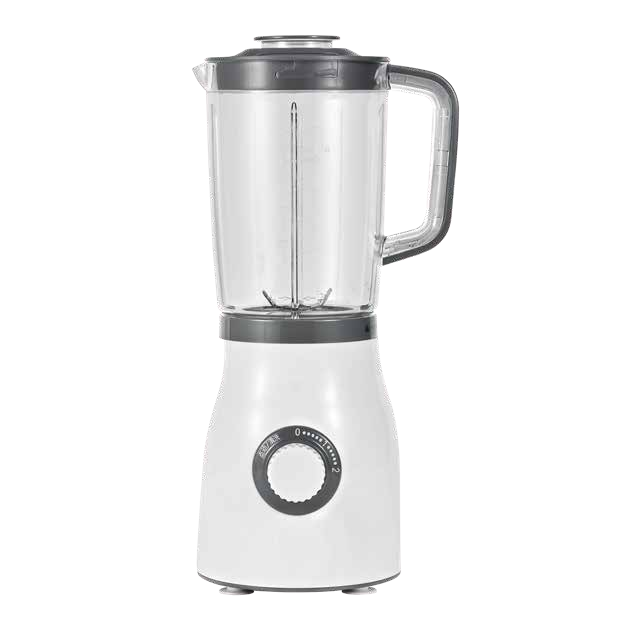
LH-510Catalog P452
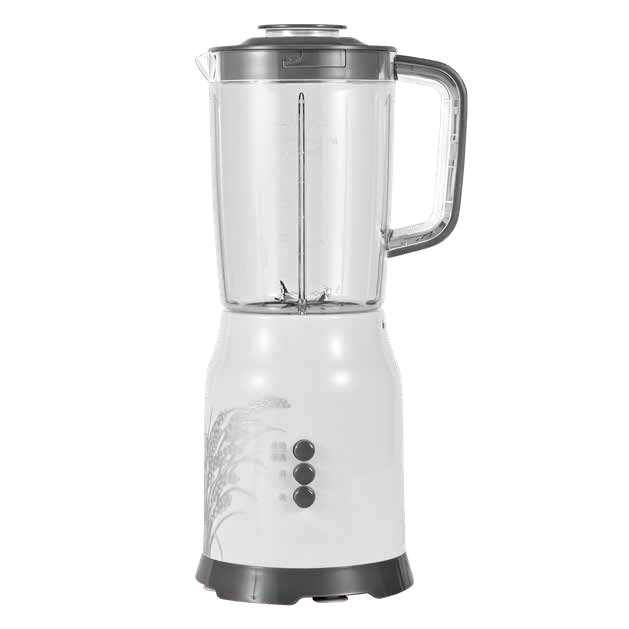
LH-511Catalog P453
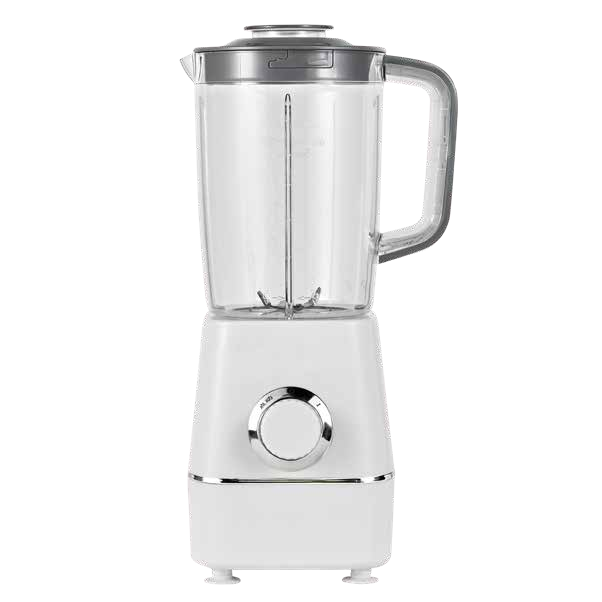
LH-512Catalog P454
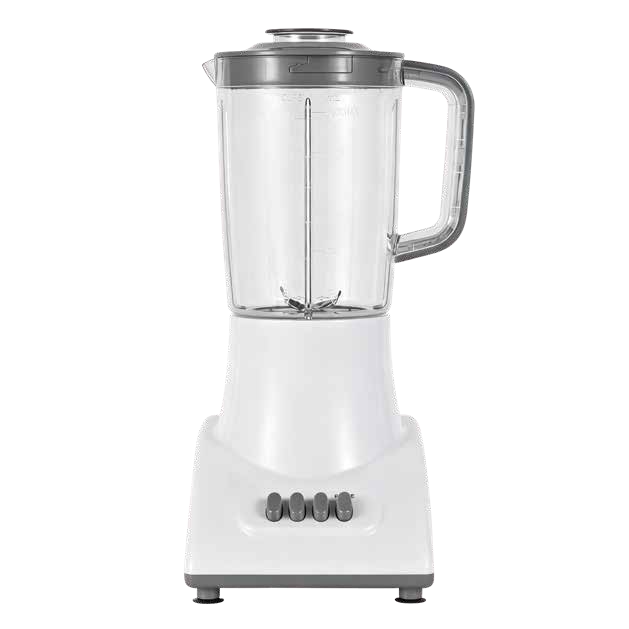
LH-513Catalog P455
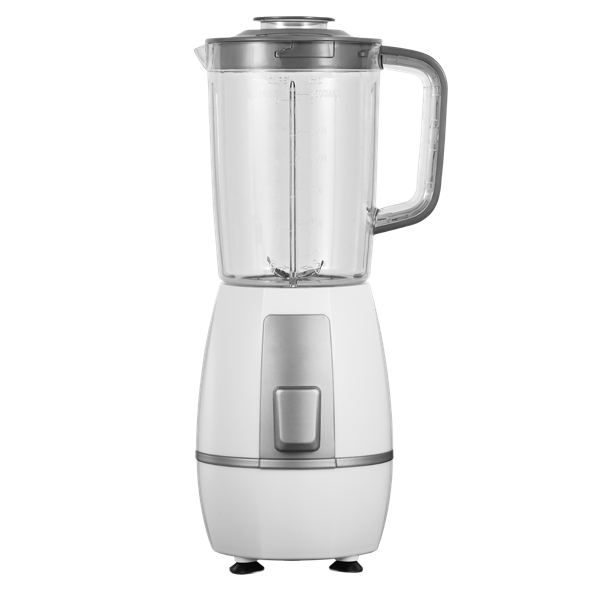
LH-551JCatalog P456
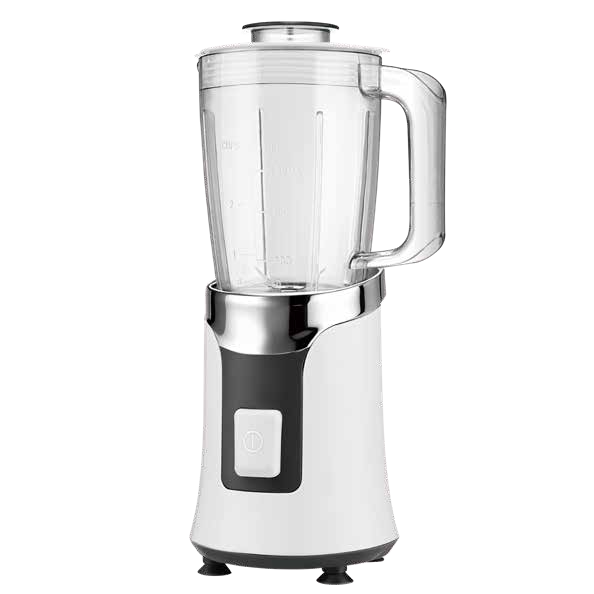
LH-552JCatalog P457
| Exact model reference | Catalog control positions |
|---|---|
| LH-505 / P449 | Pulse / Off / 1 / 2 |
| LH-508 / P451 | On / Off |
Both references list 1500 mL mixing, 450 mL chopping and 250 mL grinding containers. If your brief explicitly requires Pulse and numbered 1/2 positions, LH-505/P449 carries that description. Do not substitute LH-508/P451 solely because its listed container capacities match.
LH-508/P451 lists On / Off. That wording does not establish single-speed operation, absence of Pulse, switch behavior or the current supplied configuration. Likewise, Off and Pulse are not numbered speeds. Keep the required control description attached to the exact model when requesting a quotation.
Source: Kitchen Preparation Product Catalog, physical PDF page 30, printed page 56. These are catalog descriptions, not current-sample or test results.
Before sample approval
Choose jar capacity and construction, then define ingredients and the intended operating cycle. Do not infer ice-crushing, heated-liquid suitability or continuous commercial duty from wattage alone.
Confirm jar material, usable fill limits, lid and blade assembly.
State required accessories and define the ingredients and operating cycle for sample evaluation.
Approve the rated electrical version, cleaning instructions and packed-unit specification.
Buyer questions
No. Verify the specific jar, blade, motor version, ingredients and operating instructions. Agree an appropriate sample test before making performance claims.
No. Compare the intended use, jar material, usable fill limit, control layout, blade assembly and supplied parts together.
An ABS housing does not identify the control configuration. Nor does a stainless-steel housing establish stepless speed adjustment. These four hand-blender references show why a shortlist needs the exact model, housing and control description together, not just a similar body or wattage range.
LH-521 and LH-523 both list ABS housing, but their control descriptions differ. LH-522 and LH-537 both list stainless-steel housing and two speeds; only LH-522's source block separately lists optional stepless speed regulation. Use that distinction to ask for one specific quoted version, not to assume which options are supplied.
| Exact model / catalog reference | Housing | Catalog control description | Separate stepless-option listing |
|---|---|---|---|
| LH-521 / P468 | ABS | One button press to start | Not stated in this model's source block |
| LH-523 / P472 | ABS | Two speeds | Not stated in this model's source block |
| LH-522 / P470 | Stainless steel | Two speeds | Optional stepless speed regulation; confirm the quoted configuration |
| LH-537 / P474 | Stainless steel | Two speeds | Not stated in this model's source block |
These are product descriptions on physical PDF pages 34-36 of the Kitchen Preparation Product Catalog (printed pages 64-69), not verified current-sample or test results. An option not stated in a model's source block is unconfirmed, not unavailable. A separately listed option is not a promise that it is included or can be supplied in the requested version.
LH-521 / P468 and LH-523 / P472 share ABS housing, a catalog power range of 350-700 W and DC 5512 / 5712 / 5912 motor options. Those shared fields do not settle a control requirement. LH-521 uses the wording 'One button press to start'; LH-523 states two speeds. For a brief that explicitly asks for two speeds, LH-523 is the reference with that description, while LH-521's speed-setting count remains unstated.
Do not rewrite one-button start as single-speed, hold-to-run or latching operation. Likewise, two-speed wording does not identify two physical buttons, a dial or a turbo function. Keep the requested control behavior in the inquiry and ask how the proposed model actually operates before accepting it as a substitute.
LH-522 / P470 and LH-537 / P474 share stainless-steel housing, a catalog power range of 700-1400 W and DC 7812 / 7912 motor options. Both state two speeds. LH-522 additionally lists optional stepless speed regulation; LH-537's source block does not make that statement. The shared housing and motor fields do not transfer the option to LH-537 or establish that it is unavailable there.
The LH-522 catalog wording does not resolve whether two-speed and stepless descriptions refer to one combined control arrangement or different quoted versions. A useful inquiry is: 'For LH-522 / P470, identify the quoted control version, confirm whether it includes stepless adjustment, and explain how its controls operate.' If comparing LH-537, ask the same configuration question for P474 separately rather than copying P470's option into its specification.
If a product brief calls for a stainless-steel body and a specified stainless-steel blending shaft, the housing field answers only the body question. It does not define the shaft material, its grade or an all-stainless construction. Record the requested housing separately from the selected shaft and controls; do not use a blade-material statement to assign a grade to the housing or shaft.
Once a control direction is selected, request a current photograph identifying that exact quoted control layout and the corresponding operating description, tied to the model and written order version. The existing specification and sample-approval guide covers the wider approval process; this comparison only narrows which control questions belong to which reference. It does not rank performance, durability or suitability for a particular ingredient.
Open the exact model page linked in the table to continue through its existing model-specific RFQ. State the requested housing and controls; an initial inquiry can leave the operating layout or optional version open for confirmation. Factory direct, wholesale only. MOQ starts from 1000 PCS. Catalog descriptions are not stock or delivery commitments.
8 reviewed catalog references
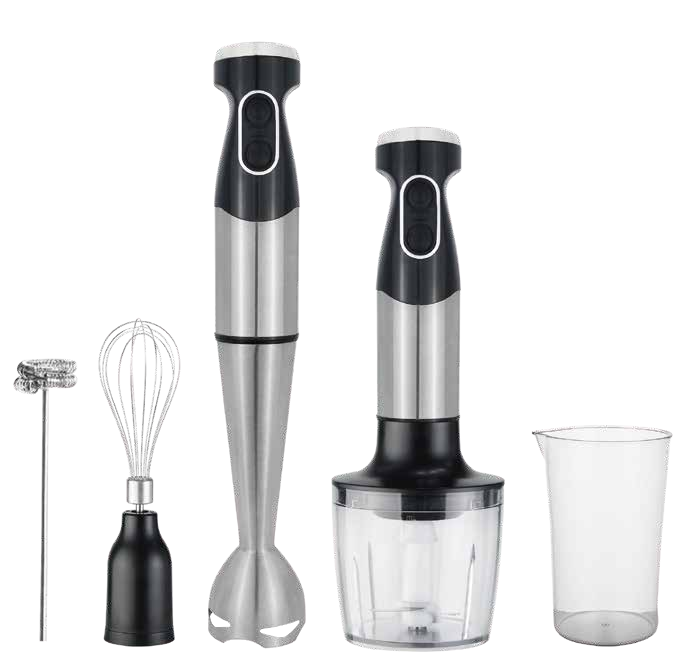
Compare immersion hand blenders by shaft construction, control options and accessory sets within the established blender category.
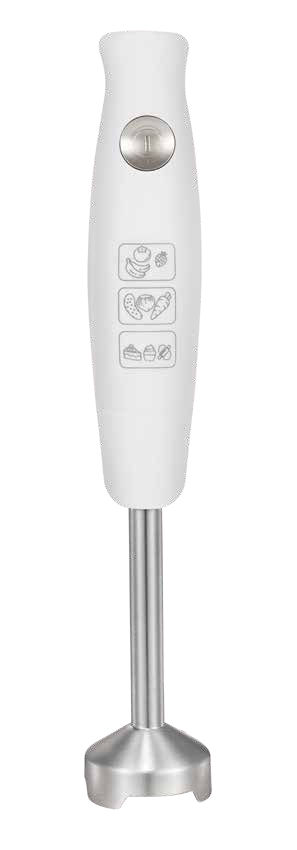
LH-521Catalog P468
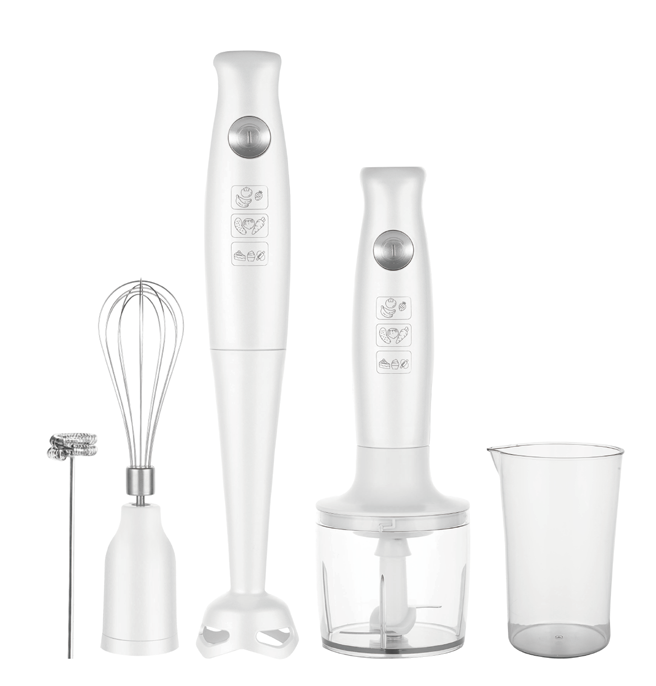
LH-521SCatalog P469
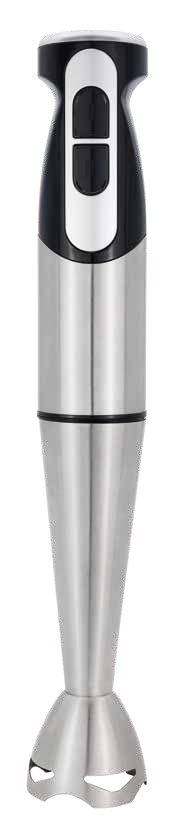
LH-522Catalog P470
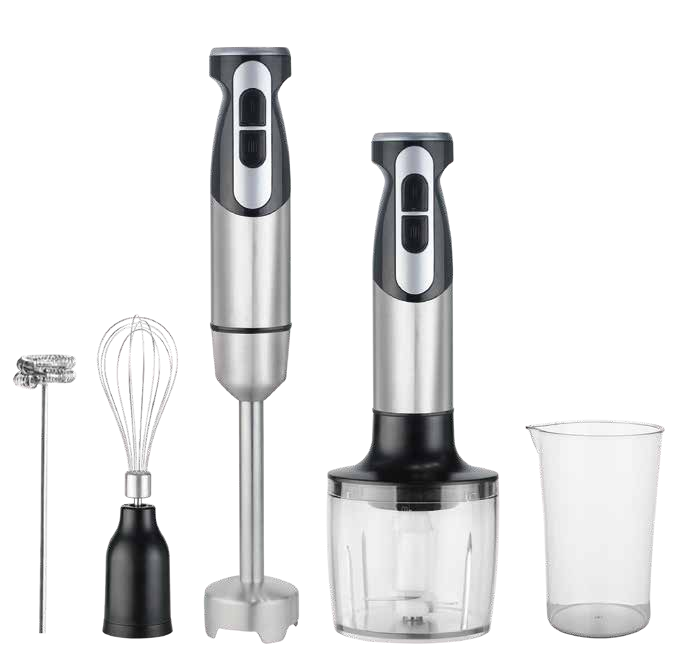
LH-522SCatalog P471
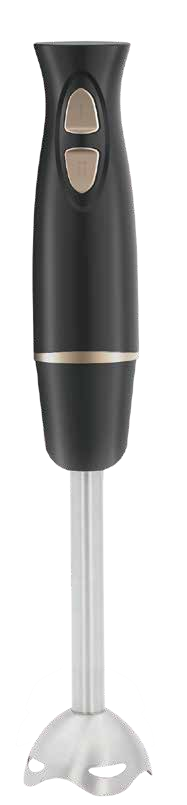
LH-523Catalog P472
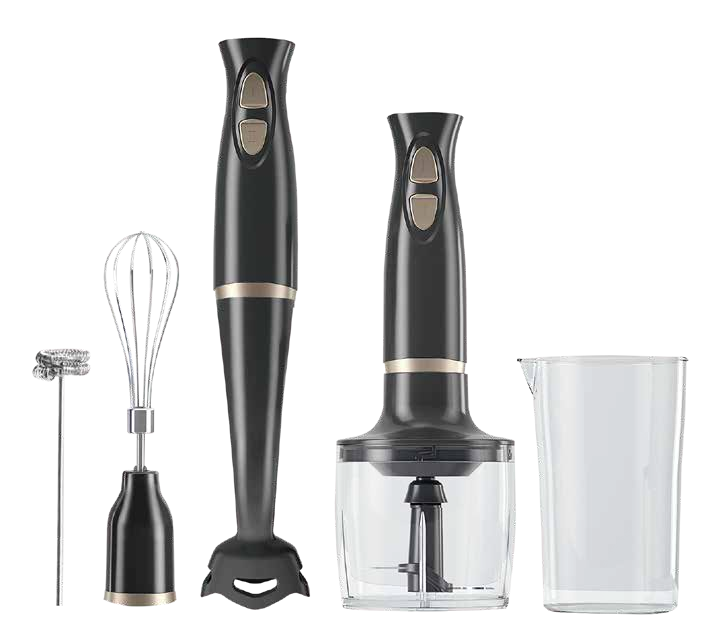
LH-523SCatalog P473
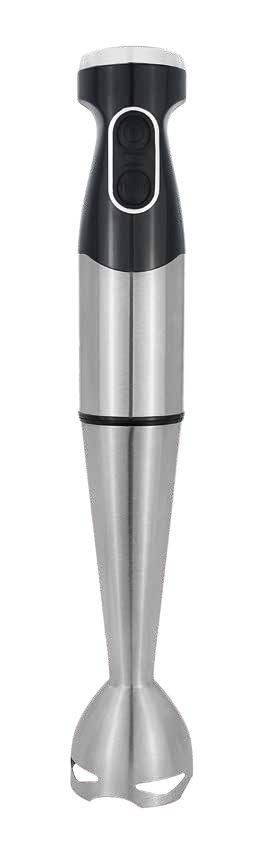
LH-537Catalog P474
LH-537SCatalog P475
Before sample approval
Choose the shaft and required attachments before comparing motor options. A stick unit, whisk set and chopper-bowl set are different quoted configurations.
Confirm shaft material, blade guard, detachable connections and permitted immersion limits.
List the beaker, whisk and chopper attachments actually required for the selected model.
Approve electrical identity, ingredient and temperature limits, cleaning instructions and packing.
An immersion shaft and blade guard identify a different quotation direction from beaters or dough hooks. Use the category guide before comparing models, attachments and supplied quantities.
Hand blender vs hand mixer for wholesale buyersBuyer questions
No. Confirm the supplied attachment set for the full model code. Accessory photographs or related variants do not establish the base package.
Follow the instructions and limits approved for the current sample. No hot-liquid suitability is inferred from a shaft material or catalog power figure.
Wholesale buying routes
Use these routes to compare capacity, intended ingredients, motor and blade approval, OEM production, inspection, pricing inputs and destination-market configuration.
Evaluate product fit, evidence, quality controls, packing, capacity and communication before supplier approval.
Define the intended ingredients, use pattern, jar, blade, motor and observable approval test.
Compare current samples through buyer-approved ingredient tests instead of unsupported speed claims.
Choose a format using the exact catalog configuration and a defined sample comparison, without treating wattage or cup capacity as performance.
Confirm product function, included parts, cleaning method, packing and channel position.
Connect the approved sample to artwork, manual, rating label, color box and change control.
Translate sample approval into identity, operation, jar, blade, leakage, packing and quantity checks.
Match the complete electrical version to the destination instead of treating the plug as an isolated choice.
Compare the exact approved configuration, packing, inspection and logistics basis behind a private quotation.
Work backward from the required receiving date through sample, artwork, production, inspection and logistics stages.
Screen five real catalog routes through ingredient tests, duty cycle, electrical identity, Spanish OEM files, service parts, landed economics and measured reorder evidence.
Wholesale rule
MOQ starts from 1000 PCS. Retail and one-piece orders are not accepted.
Send model, quantity, country, plug type, voltage, packing request, OEM request and destination port.
Logo, neutral packing, custom color box, manual language and carton mark can be discussed by order quantity.