Convert approved product lines into one controlled loading file
The first calculation is not a product count. It is a line-by-line packing file that multiplies the approved carton count by the current external carton dimensions and reconciles cubic volume, gross weight and order value against the buyer's commercial plan.
Before loading approval, the consolidated purchase order, artwork revisions, inspection results, carton marks and shipping documents should point to the same model quantities. Any late change requires a new allocation check rather than an informal substitution.
Six controls for one consolidated loading file
1. Category allocation
Name the main and supporting categories, quantity target by model and sales-channel purpose for each line.
2. Final packed data
Collect units per carton, external carton dimensions and gross weight from the approved OEM or neutral pack, not an earlier catalog draft.
3. Volume and weight calculation
Calculate carton count and cubic volume line by line, then reconcile total gross weight and usable loading method with the forwarder.
4. PO and artwork reconciliation
Match model, quantity, label, manual, barcode, color-box revision and carton marks to the consolidated purchase order.
5. Inspection release
Keep line-level inspection ownership and release status visible. One failed or late line needs an explicit hold, replacement or reallocation decision.
6. Shipping handover
Reconcile packing lists, commercial documents, container or booking reference, loading evidence and destination receiving requirements.
Water-pump inputs required before allocation
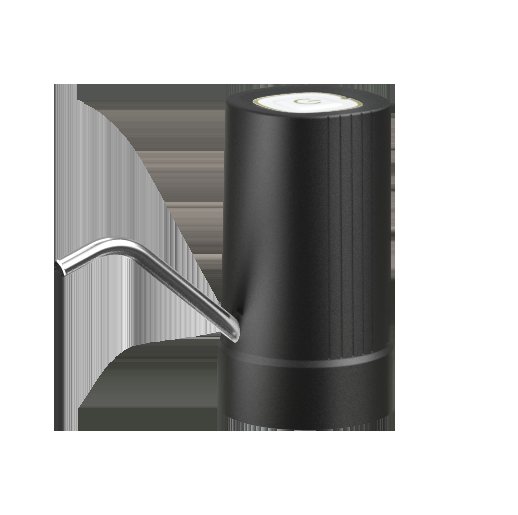
First choose the exact pump model and complete sale unit. Then provide the final carton revision, units per carton, gross weight and quantity. Many source-catalog pump rows publish carton dimensions, but the loading file must use the current approved pack for the actual order.
Consolidated RFQ file
Send destination country and port, trade term, container type if already selected, category and model list, quantity by model, final packed data available, OEM scope, inspection owner, requested shipping window and forwarder or receiving constraints.
Separate model approval from container allocation