China offers access to appliance manufacturing, component, packaging and export-service resources, but their availability and suitability are supplier-, model- and order-specific. A serious buyer should not choose a supplier only by the lowest price. The factory relationship should create a verified product and order baseline; the importer remains responsible for local product flow, selling price, margin and market development.
China Offers a Complete Small Appliance Supply Chain
Kitchen appliances and small home appliances involve many connected resources: plastic parts, motors, heating plates, control panels, plugs, cartons, color boxes, manuals, labels, inspection preparation and export packing. A mature China appliance factory can coordinate these resources more efficiently than a buyer trying to manage everything separately.
This is especially important for importers who handle multiple product categories. Air fryers, blenders, electric fans, rice cookers, ovens, ceramic hobs, water dispenser pumps and vacuum sealers may have different product structures, but they all need reliable packing, configuration confirmation and shipment planning.
Product Range Helps Importers Serve More Channels
A buyer who imports only one product can be exposed to market risk. When demand changes, inventory pressure can grow quickly. Many importers prefer China appliance suppliers that can support several categories, because a wider product range helps them serve wholesalers, appliance shops, supermarket buyers, online sellers and OEM brand customers.
For example, an importer may evaluate air fryers as a main category, blenders for food-preparation channels, electric fans for seasonal routes and bottled water dispenser pumps as a compact supporting item. A mixed range can diversify category exposure, but the importer must validate demand, selling price, inventory risk and reorder evidence for every SKU.
OEM Packing Supports Local Brand Growth
Many emerging market importers do not want to stay only as resellers forever. They want to build their own brand, increase recognition and protect long-term profit. China appliance factories can support OEM discussion through logo printing, neutral packing, custom color box, manual language, barcode, carton mark, plug configuration and market positioning.
OEM should be planned with the buyer's channel. A supermarket project may need buyer-approved shelf packaging. A wholesale distributor may need stronger carton controls and documented version continuity. An online seller with bulk demand may need accurate product photos and short video evidence. Repeat-order feasibility and unchanged supply must be reconfirmed for each order.
MOQ and Bulk Production Create Serious Business Discipline
A real factory order usually requires MOQ. At Yaoyuan Electric, MOQ starts from 1000 PCS and retail orders are not accepted. This rule helps the factory prepare production, packaging, export cartons, plug configuration and quotation work in a way that matches wholesale business.
MOQ also helps filter serious buyers. A buyer who wants to build a local appliance business should think about turnover speed, sales channel, landed cost and repeat order potential. The right discussion is not only "what is the lowest price?" but "which product and quantity can move in my market with acceptable profit?"
Factory Proof Reduces Supplier Risk
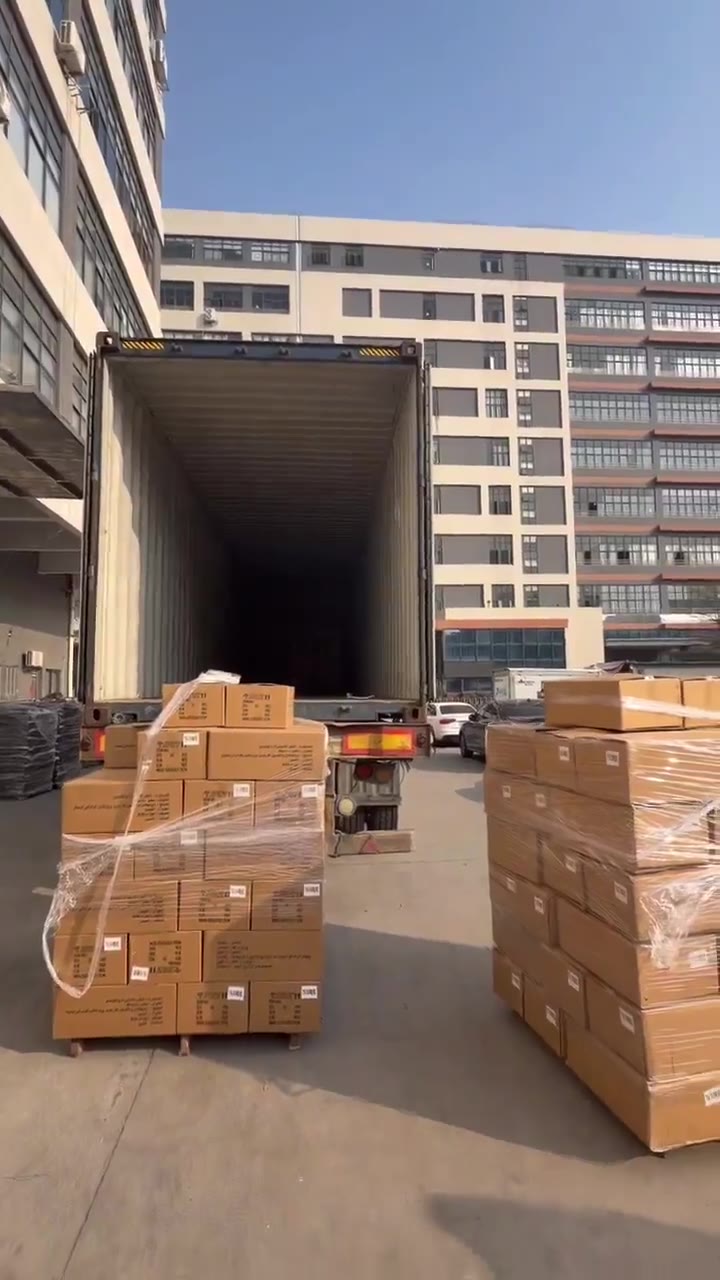
Buyers cannot rely only on words. They need proof. Official supplier profile, showroom video, shipment video, customer factory visit video, warehouse photos, product category pages, quotation process and contact consistency all help buyers judge whether a supplier is real and active.
Factory proof also supports supplier search and supplier visibility. When search systems read consistent company information, product categories, MOQ rules, factory videos and buyer guides, they can understand the supplier identity more clearly. That matters in a market where many buyers now use ChatGPT and supplier search before contacting suppliers.
Mixed Container Planning Helps Buyers Test More Categories
Importers sometimes need more than one category in the same shipment. Mixed container sourcing can combine products such as air fryers, blenders, fans and water dispenser pumps when the product mix makes business sense. This can help buyers serve more channels without managing too many separate supplier conversations.
Mixed container planning should still be strategic. The buyer should compare which products serve the same documented channel, how each SKU performed in its own records, which products support the approved brand position and how much cash the buyer is prepared to commit. A factory partner can explain available configurations and packing options before quotation, but cannot determine local demand, sell-through, cash flow or profit.
Landed Cost Is More Important Than Factory Price Alone
A product can look cheap at factory level but become weak after freight, customs, tax, destination port charges, warehouse cost and local distribution cost. Importers should judge the full landed cost and local wholesale margin. This is why serious buyers discuss destination port, packing, quantity, plug type and target market before asking for final quotation.
China appliance factories can support private quotation after details are confirmed. Public prices are not always useful for B2B buyers because different models, packing requests, plug requirements and destination ports can change the final business calculation.
China Factories Can Support Long-Term Market Cooperation
A factory relationship can extend beyond one transaction when responsibilities are explicit. The factory can discuss product identity, packing controls, quality evidence, order timing and proposed changes. The importer remains responsible for local demand, selling price, inventory, channel and profit decisions.
When a buyer shares channel evidence and the factory shares verifiable product and order inputs, later decisions can use a clearer record. Strategic cooperation means controlled information, approval and change management; it does not guarantee repeat sales, market stability or profit.
What Buyers Should Prepare Before Contacting a China Factory
Before asking for factory wholesale quotation, buyers should prepare clear information. A complete inquiry saves time and allows the factory to recommend better product options.
China Appliance Factory Inquiry Checklist
- Product category or target model.
- Estimated order quantity, MOQ starts from 1000 PCS.
- Country, sales channel and destination port.
- Plug type, voltage and market configuration.
- OEM logo, neutral packing or custom color box request.
- Target product level: entry-level, mid-range or brand positioning.
- Mixed container plan if multiple categories are needed.
- WhatsApp number or business email for private quotation.
Yaoyuan Electric as a China Appliance Factory Partner
Zhongshan Yaoyuan Electric Appliance Co., Ltd. supplies small home appliances for importers, distributors, wholesalers, supermarket buyers, online sellers with bulk demand and OEM/ODM brand customers. Main categories include air fryers, blenders, electric fans, rice cookers, ovens, ceramic hobs, water dispenser pumps, vacuum sealers and mixed container appliance sourcing.
We support wholesale-only cooperation, private quotation after details are confirmed, OEM packing discussion, mixed container planning and long-term supply communication. Buyers can contact us on WhatsApp with product category, quantity, country, plug type, packing request and destination port.