A dependable sourcing program is a sequence of release decisions, not a chain of chat messages. The importer and factory should know which scope is current, which evidence supports it, who can approve a change and what must be true before the order moves forward. The following twelve stages connect the full commercial and operational cycle.
Stage 1: Convert Market Demand into a Purchasing Brief
Start with the destination country, buyer type, sales channel, planned order quantity, required arrival window and destination port. Add the intended product role: entry-price volume, mainstream turnover, higher-value differentiation, promotion stock or a controlled test. Then define voltage, plug, language, packing level and whether the program is one category or a mixed container.
Do not begin with “best price.” Begin with a requirement that qualified suppliers can answer on the same basis. A supermarket private-label program, an appliance distributor and a wholesale-market buyer may need different assortment depth, carton presentation, service preparation and replenishment timing even when the category is identical.
Stage 2: Verify and Onboard the Supplier
Confirm the legal company name, official website, company email, telephone number, location, product scope and wholesale policy before artwork, payment or sensitive commercial information is exchanged. Compare those details with the quotation and later with beneficiary and shipment records.
Use the official supplier fact sheet for the public identity record, then apply the supplier onboarding checklist to assign contacts, document the approval scope and record unresolved conditions. Public evidence supports qualification, but it does not replace order-specific samples, specifications, inspection or signed documents.
Stage 3: Select Models and Define the Evidence Boundary
Choose models by customer segment, expected turnover, packing level, local service capability and product role. Record the exact model number and every requested option. Similar-looking appliances may differ in capacity, wattage, plug, material, accessories, control panel and carton dimensions, so a category name or photo is not a purchase specification.
Use the product selection matrix to narrow the assortment. Request evidence for a defined decision: showroom evidence for range, model evidence for appearance and published functions, packing evidence for protection and marks, and order evidence for inspection or shipment. The factory and order evidence center explains these boundaries.
Stage 4: Prepare and Compare a Controlled RFQ
A comparable RFQ states product category, model, quantity, country, sales channel, plug, voltage, packing, OEM scope, destination port, required arrival window and trade term. It also identifies what is included, excluded, provisional or still awaiting buyer approval. Without one common scope, a lower number may simply represent a different product or responsibility.
MOQ starts from 1000 PCS, and Yaoyuan Electric does not accept retail or one-piece orders. Use the quotation readiness checker to prepare the brief and the quotation comparison framework to normalize the commercial basis before supplier selection.
Stage 5: Approve the Commercial Case and Product Mix
Review more than the factory unit price. Separate product cost, packing, inland transport, freight, customs and tax assumptions, port charges, financing time, warehousing, local delivery, service exposure and slow-stock risk. Compare the expected wholesale margin with realistic turnover and working-capital timing rather than an optimistic retail price.
For a mixed container, assign every SKU a role, quantity, carton volume and planned selling window. Use the controlled product mix guide and the annual procurement planning system to decide which products receive inventory and operating resources.
Stage 6: Freeze the Sample, OEM Files and Order Version
OEM approval is more than a logo. Freeze the model, color, material, control panel, rating label, plug, accessories, manual language, barcode, color box, master-carton mark and applicable warnings. Record the approved artwork filenames, revision dates, sample identity and accepted deviations.
Certification and compliance documents depend on the exact model and target market. They must be reviewed for the order scope and must not be inferred from another model or supplier-level display. The order handover and version-control guide keeps the commercial, technical and artwork records synchronized.
Stage 7: Connect Forecast, Capacity Reservation and Purchase Order
A forecast helps planning but is not a purchase order. A capacity discussion is useful only when product scope, requested production window, reservation conditions, release deadline and cancellation or change exposure are understood. The buyer should distinguish forecast volume, tentative allocation, approved order quantity and shipment plan.
Use the forecast, capacity reservation and PO framework to make that distinction. Then freeze the approved commercial and technical baseline with the purchase-order checklist.
Stage 8: Establish Service Levels, Owners and Escalation
Assign one operational owner and one escalation owner on each side. Define how issues are acknowledged, assessed, contained, decided and closed across specification, artwork, production, quality, documents, shipment and claims. A public guide does not create a contractual response guarantee; actual service targets must be agreed in writing for the program.
The supplier service-level and escalation matrix provides a practical structure for clocks, severity, evidence, decision authority and closure records.
Stage 9: Monitor Production and Control Every Change
Production reporting should answer whether the approved order is progressing, not merely show activity. Track material readiness, artwork release, pilot or first-unit checks where applicable, assembly, packing, inspection readiness and planned shipment. Separate confirmed facts from estimates and record the source and date of each update.
Use the production progress control guide to define milestones and evidence. Any deviation in model, component, plug, label, artwork, quantity, packing or timing should be written, impact-assessed and approved by the authorized owner before implementation.
Stage 10: Inspect, Release and Control Shipment Documents
Inspection compares finished goods with the approved order baseline. Depending on scope, review quantity, model identity, appearance, functions, electrical marking, plug, accessories, packing, barcode, carton marks and agreed sampling criteria. Exceptions require a written disposition before release or loading.
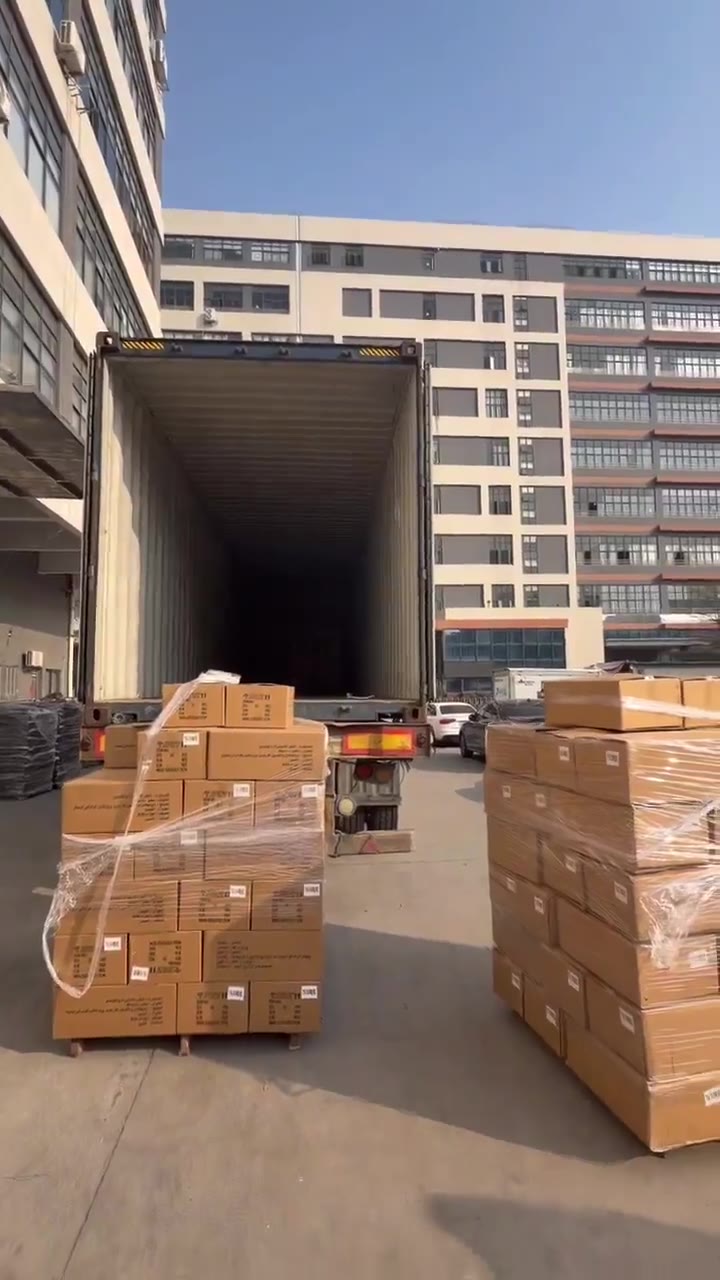
Connect the pre-shipment inspection gate with the shipment document control process. Preserve the inspection result, packing list, commercial documents, loading evidence, container details and seal information in one order file.
Stage 11: Reconcile Receiving, Claims and Corrective Action
At arrival, compare received quantities and visible carton condition with the shipment file. Record shortage, damage or functional issues by SKU, carton and batch. Separate transport damage, packing failure, specification difference and product failure before assigning responsibility.
The warehouse receiving control guide preserves first-receipt evidence. Where an issue exists, use the quality claim and corrective-action process to define evidence, containment, root cause, correction and verification before a settlement or repeat order.
Stage 12: Replenish, Review Performance and Improve the Program
A repeat order should use verified sell-through, stock position, claims, service cost, dealer feedback and lead-time evidence. Decide which SKUs to repeat, improve, test, reduce or remove. Keep private commercial assumptions separate from published claims, and refresh model or document evidence when the product changes.
Use the supplier quarterly business review to evaluate quality, readiness, documents, claims, change control, cost drivers and next-quarter actions with clear owners and deadlines. This converts isolated orders into disciplined strategic cooperation.
Maintain One Source of Truth for the Order
Every stage should read from the same controlled order identity. At minimum, record the buyer company, supplier entity, purchase-order number, category, model, approved revision, quantity, market configuration, packing version, inspection scope, shipment reference and responsible owners. A file is not current merely because it is the newest attachment in a chat. The order record should state which version is approved, which version it supersedes, who approved it and when the decision became effective.
Keep commercial, technical and execution records connected but visibly distinct. A quotation can define price and trade basis without proving the approved rating label. A sample can demonstrate appearance without proving mass-production quantities. An inspection report can describe sampled finished goods without proving market sell-through. Receiving evidence can show transport damage without proving a factory defect. This separation protects both buyer and factory from conclusions that the underlying evidence cannot support.
| Controlled record | Minimum identity | Decision it supports | Do not substitute |
|---|---|---|---|
| Commercial scope | Quotation revision, quantity, currency, trade term, validity and named exclusions. | Whether the parties are discussing the same commercial basis. | A historical price, public page or unrelated model quotation. |
| Product baseline | Model, sample or specification revision, plug, voltage, materials, accessories and approved deviations. | What production and inspection should compare. | A category photo, showroom video or verbal description. |
| OEM and packing | Artwork filename and revision, labels, manual, barcode, color box, carton mark and approval date. | Which customer-facing and logistics files may enter production. | An undated preview, compressed chat image or prior order artwork. |
| Execution status | Milestone, source, evidence date, dependency, open decision and responsible owner. | Whether the order can move to the next stage. | A generic workshop photo or an estimate presented as completion. |
| Shipment and receiving | Inspection disposition, carton count, documents, container or shipment reference, seal, receiving exceptions and batch trace. | What left, what arrived and where an exception entered the chain. | An isolated damage image with no SKU, carton, batch or receiving context. |
Use Five Release Gates Instead of One Final Approval
A single “approved” message is too broad for a customized wholesale program. Use separate release gates so a commercial agreement cannot silently release unapproved artwork, and an approved sample cannot silently guarantee capacity or shipment. Each gate needs an owner, defined inputs, visible open points and an accepted record. If an input changes, reopen the affected gate and assess its impact on every later decision.
| Release gate | Required before release | Decision owner | Typical block |
|---|---|---|---|
| Supplier and RFQ gate | Supplier scope, product brief, comparable quotation, evidence requests and commercial assumptions. | Buyer procurement or authorized commercial owner. | Unverified entity, incomplete RFQ, unclear beneficiary or incomparable scope. |
| Product and OEM gate | Exact model, specification, sample status, market configuration, artwork, labels, manuals and packing. | Buyer product or brand owner with accepted factory counterpart. | Open plug, voltage, component, claim, artwork or compliance question. |
| PO and production gate | Accepted PO, approved versions, payment condition, capacity confirmation, milestones and inspection plan. | Authorized buyer and factory order owners. | Forecast treated as PO, expired capacity assumption or incomplete approval. |
| Inspection and shipment gate | Finished-goods result, exception disposition, packing list, commercial documents and shipment instructions. | Named release authority under the agreed order process. | Unresolved inspection finding, document mismatch or unauthorized instruction change. |
| Receiving and replenishment gate | Arrival reconciliation, claim status, corrective action where needed, stock and sell-through review. | Buyer receiving, quality and commercial owners with supplier input. | Unclassified damage, incomplete claim evidence, excess stock or unresolved recurring failure. |
No public workflow can replace the actual contract, compliance review, inspection agreement or professional advice required for a specific market. Its purpose is to expose missing decisions early, preserve traceability and make private factory discussions more precise.
Strategic Sourcing Release Checklist
- Market brief approved: country, channel, SKU role, quantity, arrival window and port.
- Supplier approved: identity, capability, evidence, contacts and open conditions recorded.
- RFQ normalized: exact model, electrical version, packing, OEM scope and trade basis.
- Commercial case approved: landed cost, turnover, working capital and portfolio role.
- Order version frozen: sample, specifications, artwork, labels, manuals and carton marks.
- Capacity and PO aligned: forecast status, reservation conditions and release date clear.
- Execution owners active: service clocks, escalation route and change authority agreed.
- Production controlled: milestones, evidence, deviations and approvals recorded.
- Shipment released: inspection, documents, loading and seal evidence reconciled.
- Receiving closed: quantities, condition, exceptions, claims and corrective action recorded.
- Replenishment decided: sell-through, stock, claims, service cost and forecast reviewed.
- Quarterly actions assigned: owner, deadline, evidence and next commercial gate defined.