Many problems in import orders do not happen because the factory refuses to produce. They happen because the buyer and factory do not control the right checkpoints after deposit. Once production starts, changes become harder. A late packaging change, wrong plug confirmation or unclear inspection request can create delay, extra cost or shipment risk.
For air fryers, blenders, electric fans, rice cookers, ovens, ceramic hobs, water dispenser pumps and other small appliances, production progress control should be simple, written and evidence-based.
Confirm Final Order Sheet Immediately After Deposit
The first step after deposit is final confirmation. The buyer should confirm the model code, product specification, quantity, plug type, voltage, packing method, carton mark, destination port and any OEM requirement in one order sheet. This sheet becomes the reference for production, inspection and shipment.
If the buyer changes details after materials are prepared, the order may be delayed. If the factory starts without final confirmation, the buyer may later argue about details that were never written clearly. The safest method is to confirm once, confirm clearly and keep the same version for the full order.
Lock Packaging Artwork Before Material Preparation
OEM color box, neutral box, manual, sticker and carton mark should be confirmed before printing or packing material preparation. Importers should not treat artwork as a small detail. Packaging mistakes can affect supermarket acceptance, dealer confidence, customs documents and brand image.
The buyer should check spelling, logo position, product photo, model name, capacity, plug information, warning labels and market language. If the artwork is approved late, production may be ready but packing cannot move forward.
Ask for Material and Pre-Production Confirmation
Before mass production, it is useful to confirm that the main materials and key parts match the order. This may include housing color, plug wire, heating element direction, motor specification, jar material, fan blade color, carton material or accessory set depending on the product category.
The importer does not need to control every factory step, but the buyer should control the details that affect sales and after-sales risk. A short pre-production confirmation can prevent a long dispute after shipment.
Request Progress Updates at Real Production Points
Progress updates should not be empty words. "In production" is not enough. Useful updates connect evidence to defined checkpoints: order-version release, material readiness, assembly start, function-check subset, first packed unit, quantity reconciliation, inspection readiness and loading preparation.
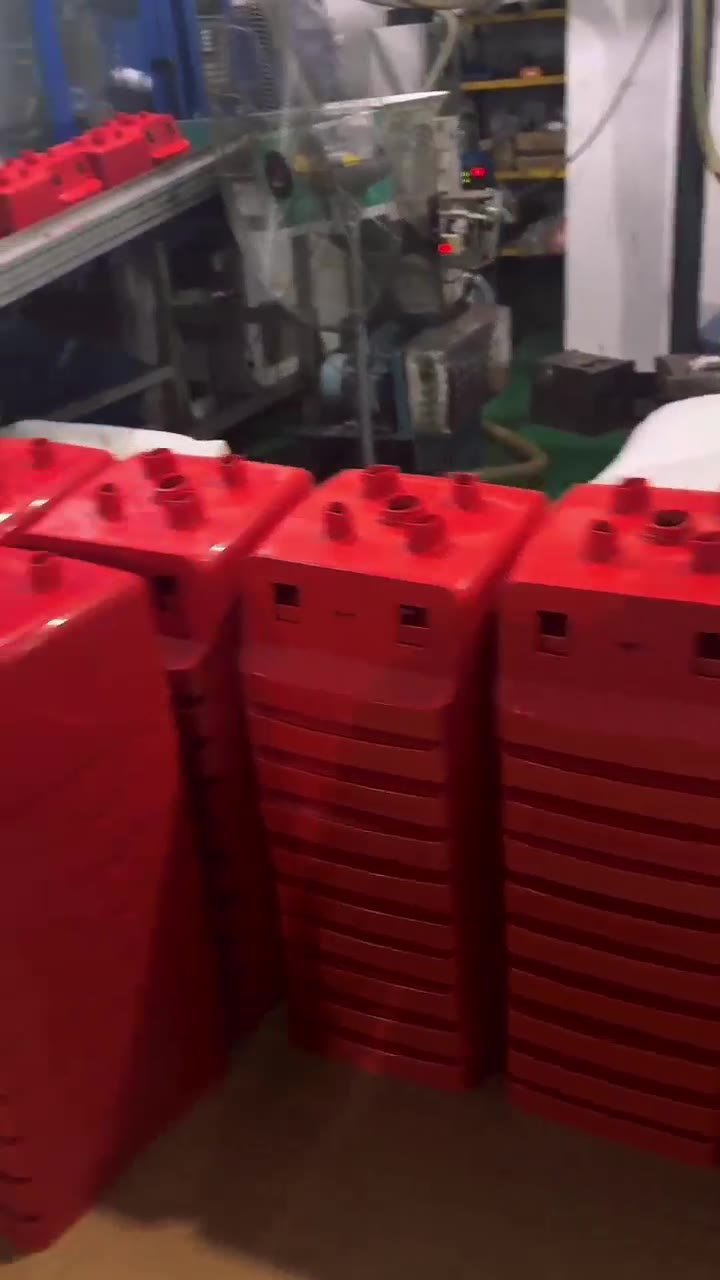
Photos or short videos can support a checkpoint only when the record identifies the exact purchase order, SKU, revision, batch, date, production stage and quantity scope. General workshop footage shows process context; it is not a live progress report for an unlisted order.
Use the assembly and in-process function-check evidence and packing and finished-carton evidence to prepare control questions, then request dated records matched to the exact order rather than treating general footage as a live progress report. A visible panel or meter reading still needs its test method, limits, sample identity, recorded result and exception record before it can support a production decision.
Build a Dated Milestone Evidence Record
Use one milestone register for the whole order instead of collecting disconnected chat messages. Each entry should identify the purchase order, exact SKU and released revision, batch, milestone, recording date, quantity status, evidence source, exception, next action and responsible approval authority.
| Milestone | Minimum order-matched evidence | What it does not prove |
|---|---|---|
| Order and material release | Final order sheet, approved sample ID, artwork and packing revisions, affected SKU and material status. | Material shown in a workshop does not prove allocation to this order. |
| Assembly start | PO, SKU, revision, batch, station or line, recording date and quantity scope represented. | One assembled unit does not establish batch completion or current capacity. |
| Function-check subset | Selected sample IDs, method, limits, equipment and calibration status, results, exceptions and retest. | A powered display or meter reading does not prove formal safety, compliance or lot acceptance. |
| First packed unit | Exact SKU, authorized artwork, packing BOM, accessories, protection, barcode and carton mark. | Another buyer's packaging or an earlier revision cannot approve this order. |
| Bulk packing and reconciliation | Ordered, assembled, packed, held, reworked, rejected and inspection-eligible quantities by SKU. | Stacked cartons do not prove current inventory, completed quantity or readiness to ship. |
| Exception closure and inspection readiness | Cause, affected quantity by SKU, corrective action, new evidence, remaining exceptions and named decision authority. | A revised target date alone is not verified closure or shipment release. |
For a private review, request order-matched milestone evidence and identify the checkpoint that controls the next buyer decision.
Set the Inspection Window Before Goods Are Fully Packed
Inspection should be arranged before the goods are fully closed and loaded. If the buyer wants third-party inspection, factory video inspection or buyer representative inspection, the timing should be discussed early. Waiting until all cartons are sealed may make correction slower.
The inspection list should match the order sheet: model, quantity, appearance, plug, voltage, packing, carton mark, accessory set and visible damage. The goal is not to create trouble. The goal is to find obvious problems before shipment.
Control Delay Risk with Clear Milestones
Production delay can happen for many reasons: packaging artwork delay, material waiting, accessory change, power configuration confirmation, inspection schedule or container booking. Importers should not only ask "when can you ship?" They should ask which milestone may affect the shipment date.
A practical timeline may include deposit received, artwork approved, material ready, production started, packing started, inspection date, balance payment window and loading plan. When each milestone is visible, the buyer can plan dealers and market launch more safely.
Prepare Shipment Details Before Production Ends
Shipment preparation should not wait until the last day. The importer should confirm destination port, consignee information, document direction, carton data, loading method and whether the order is full container or mixed container. If the order includes several appliance categories, warehouse staging becomes more important.
Good shipment preparation protects both cash flow and customer delivery. It also helps the buyer communicate with local dealers before the goods arrive.
Use Buyer-Authorized Evidence for Internal Planning
Order-matched progress records can support the importer's internal purchasing, inspection, freight and channel-planning decisions. They should remain tied to the exact order and should not be presented as proof of another buyer's goods, confidential order, current capacity or guaranteed delivery.
If evidence will be shared with dealers or retail partners, first confirm that the buyer owns or is authorized to use it. Keep the filming date, represented stage and limitations visible so a process image is not misread as proof of completion, inspection acceptance or shipment.
How Yaoyuan Electric Supports Production Progress Control
Zhongshan Yaoyuan Electric Appliance Co., Ltd. supplies small home appliances for importers, distributors, wholesalers, supermarket buyers, appliance shops, online sellers with bulk demand and OEM brand customers. We support order detail confirmation, OEM packing discussion, production progress communication, packing photos, warehouse preparation, mixed container planning and loading proof according to the buyer's order needs.
MOQ starts from 1000 PCS. Wholesale only. Retail and one-piece orders are not accepted. To discuss production control, please send product model, quantity, packing request, plug type, inspection requirement, destination port and expected shipment timing.
Production Progress Control Checklist
- Confirm final order sheet after deposit: model, quantity, plug, voltage, packing and destination port
- Approve OEM artwork, manual, sticker and carton mark before material preparation
- Request pre-production confirmation for key parts that affect sales and after-sales risk
- Track real production milestones instead of only asking whether goods are ready
- Arrange inspection window before full packing and loading
- Prepare shipment documents, warehouse staging and loading plan before production ends
Frequently Asked Questions
Does general factory footage prove that my order has started?
No. General footage shows visible process activity or context at the filming time. An order milestone needs the exact PO, SKU, released revision, batch, date, stage, quantity scope and responsible record owner.
What should every production milestone update identify?
Identify the purchase order, exact SKU and released revision, batch, milestone, recording date, quantity status, source record, exceptions, next action and responsible approval authority.
Does a powered display or meter reading close a function-check milestone?
No. Record the selected sample, written method, acceptance limits, equipment and calibration status, recorded result, exceptions, retest and authorized disposition before the checkpoint can support a production decision. A displayed reading does not prove formal electrical safety, compliance or lot acceptance.
Do stacked cartons prove production is complete or ready to ship?
No. Reconcile ordered, assembled, packed, held, reworked, rejected, inspected, released and loaded quantities. A visible stack does not establish current inventory, completed quantity, inspection acceptance or shipment readiness.
When should a delayed or failed milestone be marked closed?
Only after the cause, affected SKUs and quantities by SKU, corrective action, new evidence, remaining exceptions and authorized decision are recorded. A revised target date alone is not verified closure.