Buyer-channel role
Assign each shortlisted direction to a named wholesale, dealer, supermarket, marketplace or private-label role. Remove SKUs that serve the same job without a documented reason.
Buyer-channel assortment and arrival planning
Use this planning hub after shortlisting to assign fan directions to buyer channels, allocate SKUs and quantities, freeze destination versions, work backward from the market-ready date and prepare one comparable private quotation.
Intent boundary: This route owns buyer-channel assortment, market-version allocation, arrival and RFQ planning. Use Electric Fan Model Selection for exact six-record comparison, Fan Models for catalog discovery, Fan Factory for manufacturer qualification and OEM Electric Fan Manufacturer for private-label program execution.
MOQ starts from 1000 PCS. Retail and one-piece orders are not accepted. OEM branding and mixed-container coordination are discussed only after the route, quantity and market requirements are defined.
Direct buyer answer
Turn the shortlist into a controlled assortment: give every SKU one buyer-channel role, quantity, destination version, arrival objective and stop-or-repeat rule. Exact comparison of the six public records belongs on the model-selection page.
Assign each shortlisted direction to a named wholesale, dealer, supermarket, marketplace or private-label role. Remove SKUs that serve the same job without a documented reason.
Freeze the current rated label, frequency, plug, cord, mechanical build, accessories, language files, artwork and packing against the approved sample.
Allocate quantity only after the buyer sets the assortment role, local inventory limit, carton handling, working-capital boundary and market-ready objective for each SKU.
No public price, ready-stock promise, universal lead time, sales forecast or market-demand guarantee is published. A private quotation follows one comparable project brief.
Assortment allocation framework
This page does not repeat model-by-model technical comparison. Complete exact record selection first, then bring only the controlled shortlist into the allocation plan.
Define the buyer channel and customer need this direction serves, plus the landed-cost ceiling and minimum evidence required before committing quantity.
Name the direction expected to carry the main allocation, but treat that allocation as a buyer-owned plan rather than a factory demand promise.
State the specific customer, function, energy system or packing difference that prevents the SKU from duplicating the core role.
Set sample, landed-cost, packing, inspection, receiving and sell-through evidence needed to repeat, revise, reduce or stop each direction.
Seasonal procurement clock
The buyer defines when stock must be available in the selling channel. Factory and logistics planning then use current, dated evidence for every preceding stage.
State the required date for distributor, dealer, supermarket or promotional allocation. Do not use weather assumptions as a purchase order.
Allow for port release, inland transport, warehouse receiving, labeling or price-ticket work and dealer allocation according to the buyer's real route.
Use a current forwarder or carrier plan for origin port, destination port, cutoff, sailing, transshipment and arrival. Historic transit time is not a guarantee.
Reserve time for completed-goods inspection, document review, corrective action if required, booking confirmation and shipment release.
Confirm the current schedule only after the model version, quantity, components, electrical identity, artwork and packing are frozen.
For repeat programs, define a decision date using actual stock, sell-through, open orders, transit stock and the next market-ready requirement.
Current priority markets
Regional pages organize buyer questions; they do not replace country-specific electrical, importer, language, labeling, safety or channel checks.
Separate each country before approving electrical supply, plug, language, carton, landed-cost inputs and seasonal arrival plan.
Freeze the current destination version, importer-required evidence, English files, packing and inspection scope before relying on a catalog electrical field.
Define the exact jurisdiction and buyer responsibilities before approving electrical supply, plug, operator information, language, claims and documents.
Real shipment evidence
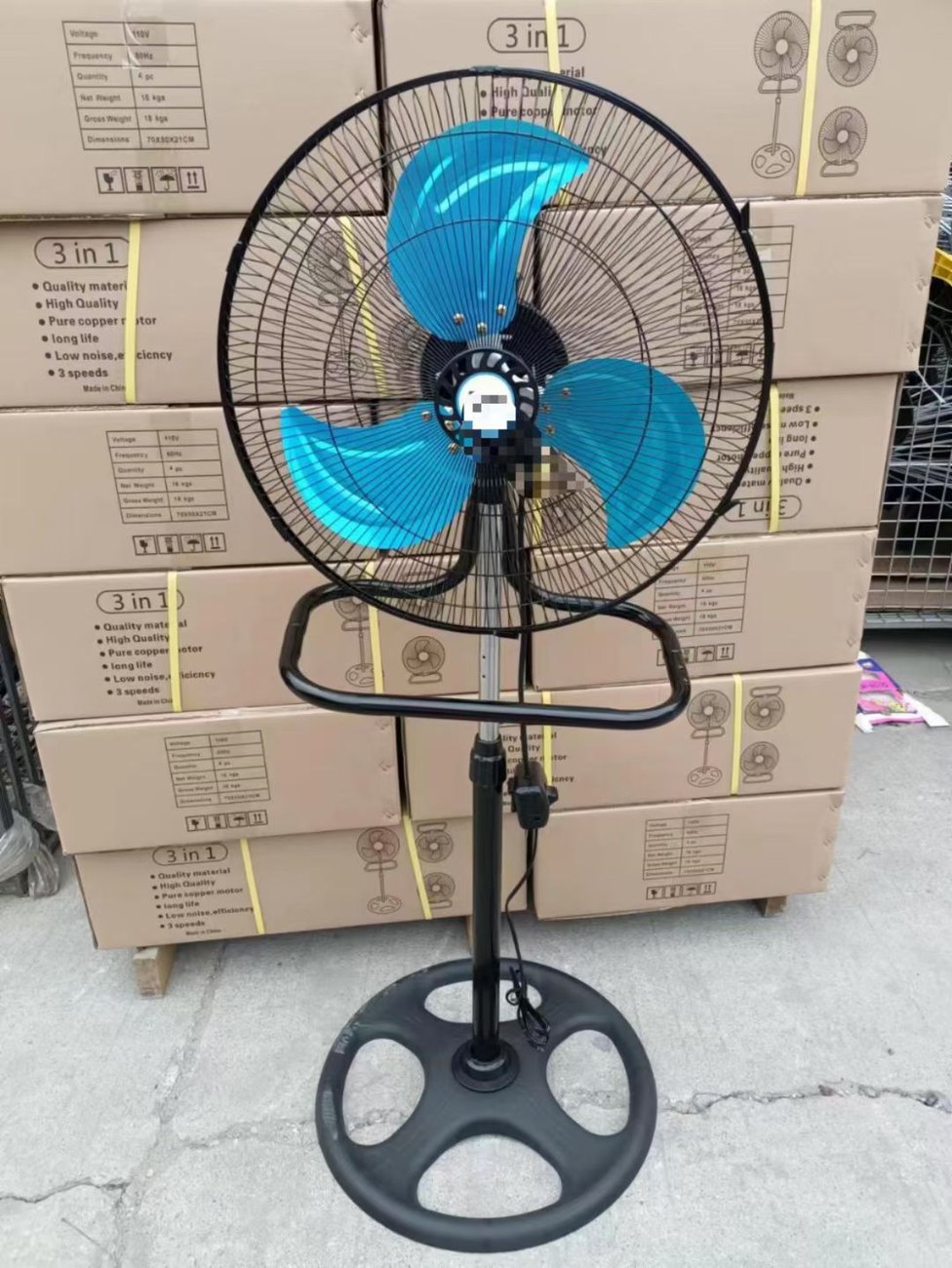
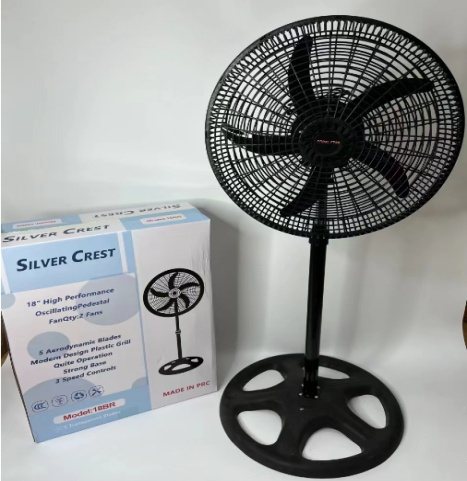
The linked fan shipment video shows real carton handling and batch context. It proves that the scene was recorded; it does not prove an unrelated model, quantity, inspection result, destination or current availability.
Strategic cooperation boundary
A repeat program is not created by promises. The buyer contributes channel, timing, forecast and inventory evidence; the factory side coordinates feasible catalog, sample, packing, inspection and production resources for the current project.
Destination, channel, target customer, target arrival, sell-through or dealer evidence, forecast quantity, inventory position, packing brief, port and commercial constraints.
Current route screening, sample-version clarification, available configuration review, OEM file control, packing discussion, inspection coordination and dated production feedback.
Maintain one approved specification, artwork revision, golden sample, inspection checklist, shipment record and reorder review for the agreed version.
Cooperation does not guarantee demand, exclusivity, production capacity, stock, delivery, sales or profit. Each commitment must be confirmed in current commercial documents.
Buyer questions
Start with the buyer's required market-ready date. Work backward through inland allocation, customs and delivery, current transit planning, inspection, packing, production and component confirmation. There is no universal order month or guaranteed lead time.
Six current catalog records are public: four AC plastic fan product options and two solar fan product options. Each order version still requires current sample, electrical, packing and market approval.
MOQ starts from 1000 PCS. The exact model mix, color, packing and OEM scope require project confirmation. Retail and one-piece orders are not accepted.
OEM logo, label, manual language, color box and carton mark can be discussed after the exact fan product option, destination version, quantity and buyer artwork responsibilities are defined.
No. Market demand, sell-through and local compliance remain buyer-specific. Stock, production availability, shipment timing and delivery are confirmed only for the current project.