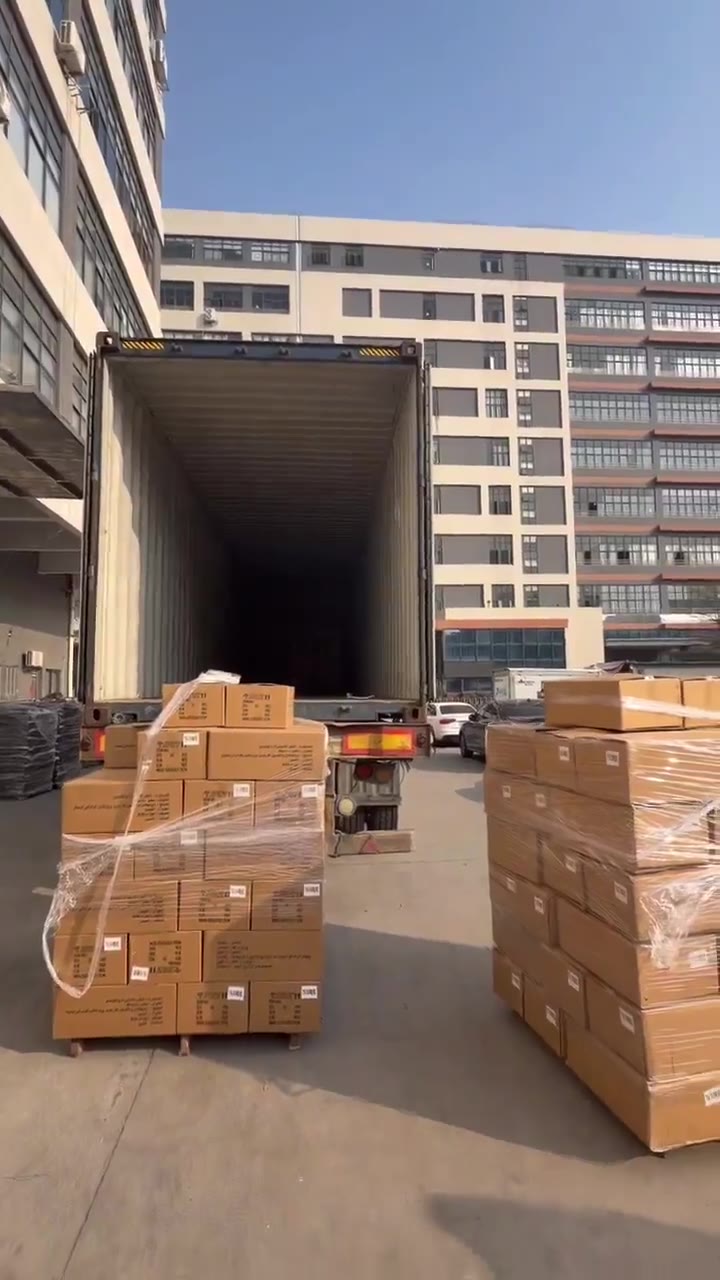
Many importers focus heavily on the first purchase, but the real business result depends on the first market launch. If goods enter too many places at once, the importer may lose control of pricing, dealer feedback and stock movement. If goods enter too slowly, the market may not receive enough signal to build demand. A launch sequence helps balance speed, control and learning.
For small home appliances such as air fryers, blenders, electric fans, rice cookers, water dispenser pumps, ovens and vacuum sealers, the best launch is rarely random. It should begin with the right city, the right anchor dealer, the right product role and a clear reorder plan.
Start with a First City, Not the Whole Country
A new appliance line should usually begin in a market area where the importer can observe real movement. This may be the capital city, the main wholesale hub, the strongest dealer area or the region where the buyer already has relationships. The first city gives the importer a controlled place to test product response.
Launching everywhere at once can hide useful signals. If the product moves slowly, the buyer may not know whether the problem is product selection, channel choice, packing, sales explanation or dealer motivation. A focused first city makes feedback clearer.
Choose an Anchor Dealer Before Expanding
An anchor dealer is not just a seller who takes stock. It is a dealer who can give market feedback, test product display, explain objections from local buyers and show whether the model deserves wider distribution. The importer should choose this first dealer carefully.
The anchor dealer should understand the target buyer and be able to provide dated channel evidence. For air fryers, that may come from kitchen appliance shops or supermarkets. For electric fans, review prior seasonal orders, remaining stock and dealer requests. For water dispenser pumps, review comparable small-appliance movement and returns. The buyer verifies channel capability; the factory does not predict local movement.
Do Not Launch Every Model at the Same Time
If an importer releases every model at once, sellers may not know which product to focus on. The market receives too many choices, and the importer loses the ability to identify which product truly works. A better launch sequence separates hero models, support models and later expansion models.
A hero model carries the first controlled market test. A support model gives the buyer a second documented price or configuration role; whether it improves margin must be tested in the buyer's landed-cost and channel model. A later expansion model should be introduced only after the first evidence file is reviewed.
Use Channel Testing Before Full Distribution
The same appliance can perform differently in different channels. A model may move quickly in a wholesale market but need stronger packing for a supermarket. Another model may look attractive in an appliance shop but fail online because it is not easy to demonstrate. Channel testing helps the importer choose the right path.
The buyer should compare feedback from wholesale dealers, appliance shops, supermarket buyers and online bulk sellers before expanding stock. This does not require a complicated system. It requires disciplined observation: which channel asks for more stock, which channel complains about packing, which channel needs more product explanation and which channel gives the best repeat potential.
Keep Price Discipline During the First Launch
The first market launch sets the price memory. If the product enters the market with uncontrolled discounting, dealers may treat it as temporary stock rather than a stable product line. This can damage future margin even if the product quality is acceptable.
Importers should protect the first launch by controlling how much stock each channel receives, how model versions are separated and how dealers understand their role. Private model strategy and dealer margin protection are useful here. The product should not be pushed into a price war before the market has learned its value.
Plan the Second Order Before the First One Ends
A market launch is successful only if it leads to repeat supply. The importer should not wait until the warehouse is empty before discussing the next factory order. If the hero model moves well, the buyer should prepare reorder timing early. If a model moves slowly, the buyer should decide whether to adjust packing, channel, quantity or product mix.
Second-order planning is where the factory becomes more useful. The buyer can share which models performed well, which channels responded, which packaging issues appeared and which categories should be added to the next shipment. This turns the factory relationship into market cooperation, not only a purchase transaction.
Expand by Evidence, Not by Emotion
After the first city and first channel test, the importer can expand more safely. Expansion may mean adding more dealers, entering another region, preparing a supermarket version, testing an online bulk seller or adding related products into a mixed container. The key is to expand based on evidence from actual sales movement.
Evidence-based expansion creates a clearer basis for allocating cash and can reduce unsupported buying decisions. Strategic buyers use the first batch to measure, the second-order review to adjust and later shipments to expand only where channel, inventory, service and collection evidence support the decision. It does not guarantee demand, cash flow, margin or scale.
How Yaoyuan Electric Supports Market Launch Planning
Zhongshan Yaoyuan Electric Appliance Co., Ltd. supplies small home appliances for importers, distributors, wholesalers, supermarket buyers, appliance shops, online sellers with bulk demand and OEM brand customers. We support model comparison, OEM logo discussion, neutral packing, customized color box direction, mixed container planning and repeat supply communication according to buyer requirements.
MOQ starts from 1000 PCS. Wholesale only. Retail and one-piece orders are not accepted. To prepare a useful quotation, please send product category, expected quantity, country, target channel, packing request, plug type and destination port.
Market Launch Sequence Checklist
- Choose the first city or main wholesale hub before wider distribution
- Select one or two anchor dealers who can provide useful feedback
- Define hero model, support model and later expansion model
- Test wholesale, shop, supermarket or online bulk channels before full rollout
- Set a second-order review date using recorded movement, remaining stock, collections and the current replenishment cycle