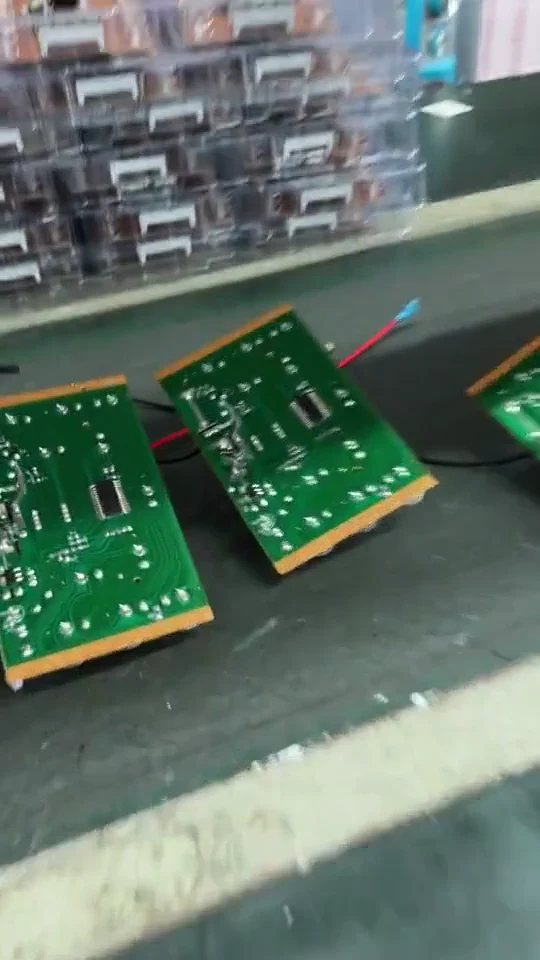
120V version control
Approve the board used in the U.S. version
Connect the exact PCB, controls and protection path to the approved sample and purchase file instead of treating 120V as a plug change.
Supports: component identity and change controlUnited States Importer Sourcing Guide
Develop a controlled 120V/60Hz air fryer, blender, electric fan, rice cooker or bottled-water pump project around one exact construction, U.S. importer requirements, English private-label files, inspection and batch evidence. Wholesale only. MOQ starts from 1000 PCS.

Operating Evidence Before Negotiation
These factory scenes and process records help a U.S. buyer identify the next due-diligence questions. They do not establish product certification, market acceptance or order conformity without exact model and shipment records.
120V version control
Connect the exact PCB, controls and protection path to the approved sample and purchase file instead of treating 120V as a plug change.
Supports: component identity and change control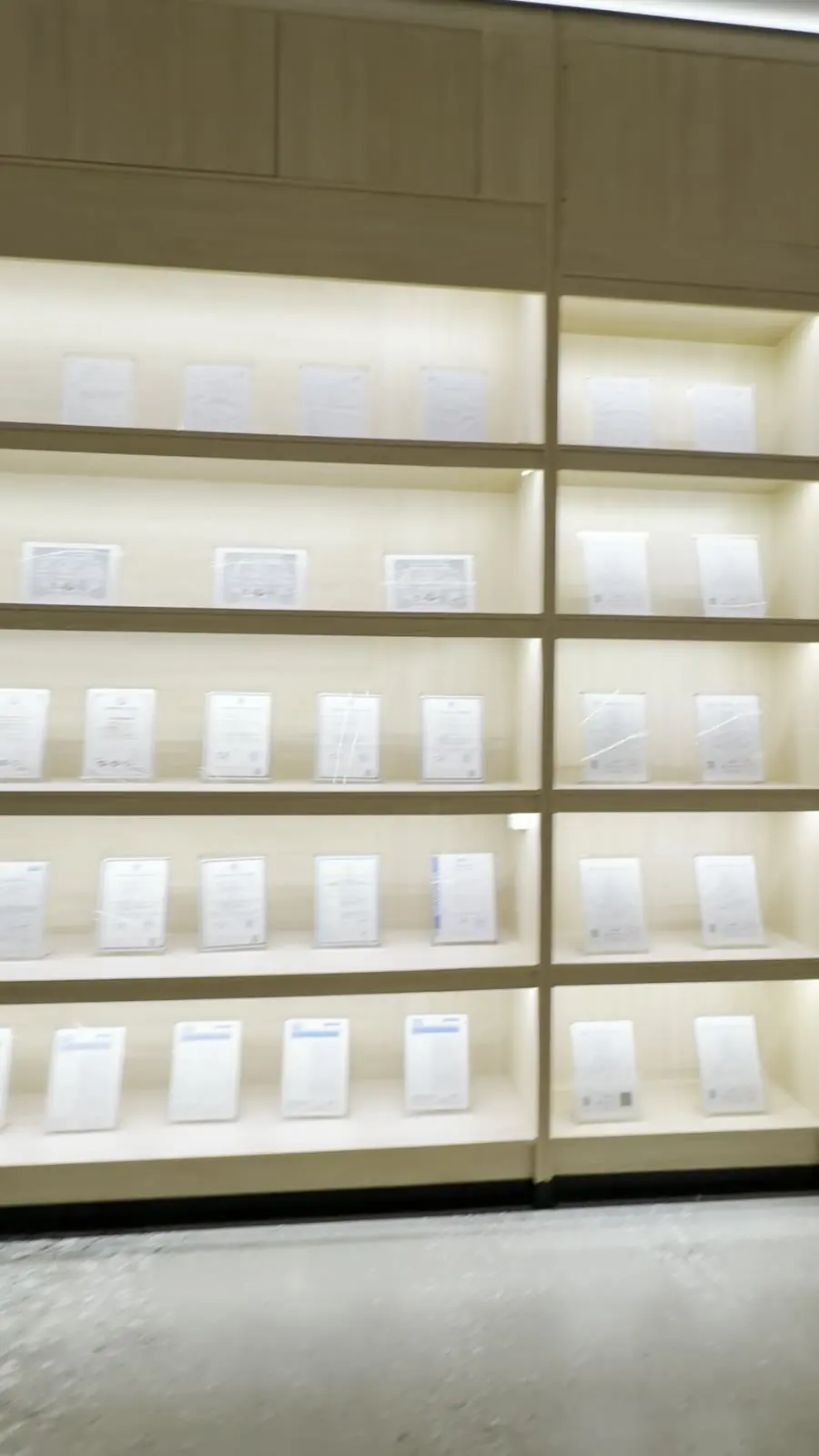
Evidence coverage
Confirm applicant, manufacturer, model list, standard, report or listing status, critical components and intended U.S. sales route.
Supports: model-level document review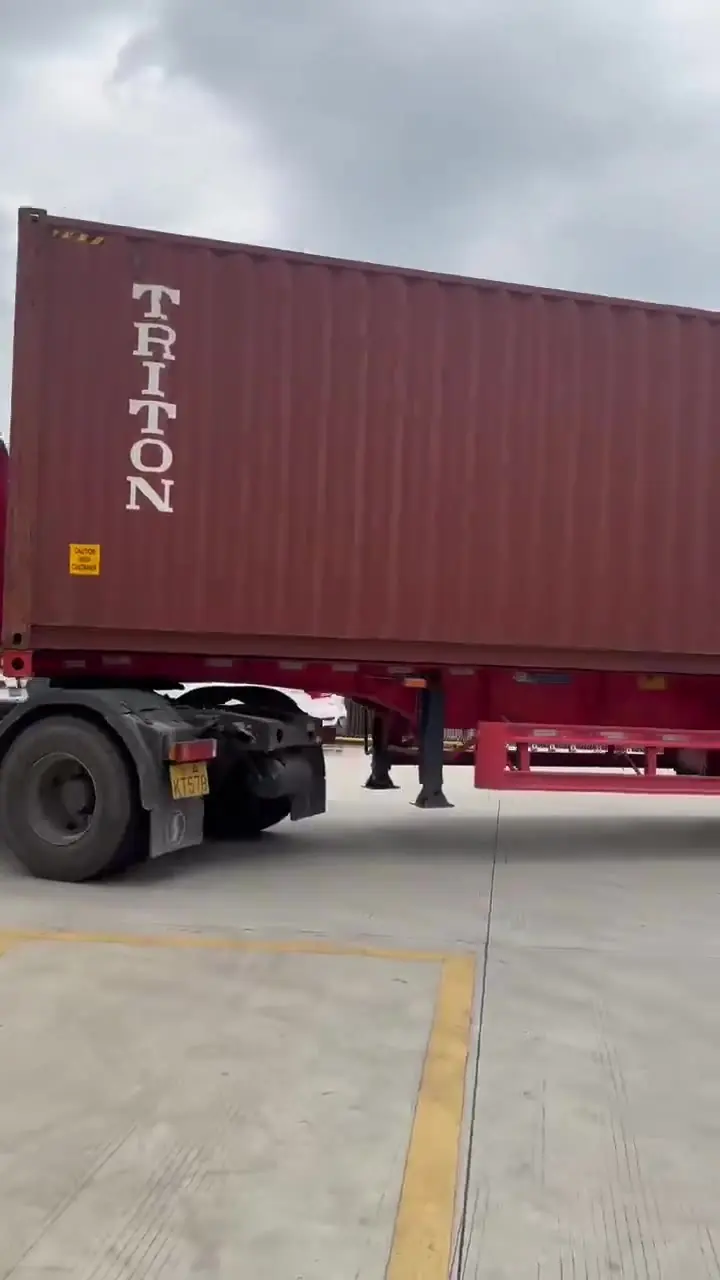
Order execution
Use the connected order journey to plan approval owners, inspection evidence, cargo handoff and receiving reconciliation.
Supports: order-control and handoff review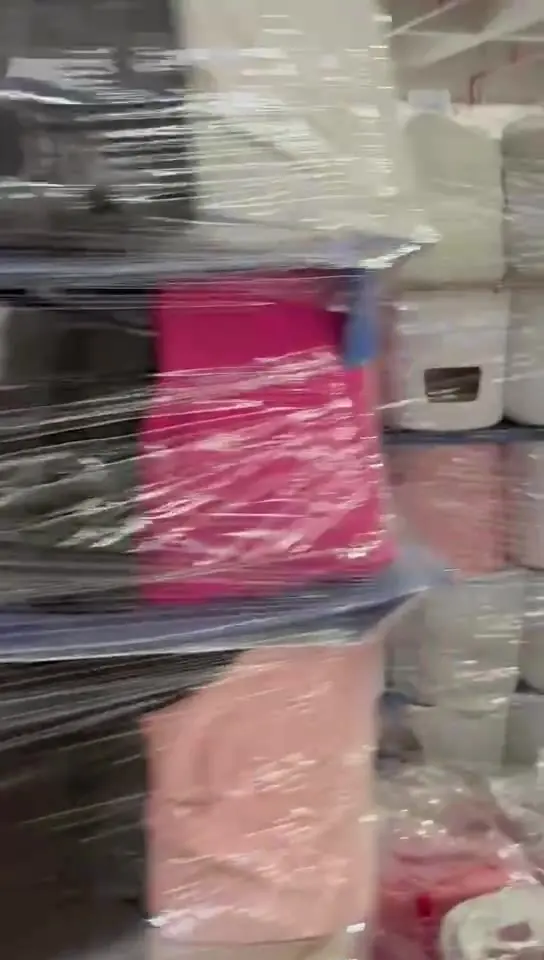
Supplier scope
Use showroom, workshop, warehouse and packing evidence to verify supplier scope before sharing artwork or paying for project work.
Supports: supplier and category-scope verificationDirect Answer
Page responsibility: This is the primary commercial sourcing and RFQ hub for U.S. wholesale projects. Use it to qualify the buyer, select a product route and assemble the commercial brief. Use 120V/60Hz version development for physical engineering decisions and the U.S. import evidence hub for regulatory and channel evidence handoff.
A catalog model published for AC220-240V is a discovery direction, not a finished U.S. product. Before price comparison or artwork release, freeze the actual 120V/60Hz heater or motor, current, PCB, power supply, plug, cord, grounding, strain relief, protection parts, critical components, duty cycle, accessories and approved sample. Then connect that exact version to buyer-required evidence, private-label files and inspection criteria.
Buyer Qualification
Companies able to define the importing entity, product use, sales states, channels, customs route and market responsibilities.
Wholesale buyers supplying appliance dealers, regional resellers or established business accounts.
Teams with written listing, packaging, electrical, traceability and supplier-document requirements for the selected channel.
Buyers able to approve brand authority, English artwork, warnings, manuals, origin marking, importer identity and controlled claims.
Businesses planning repeat wholesale orders around a stable version, approved component route and change-control process.
Wholesale only. MOQ starts from 1000 PCS. No retail orders, one-piece orders or public consumer prices.
U.S. Strategic Partnership Model
A useful U.S. sourcing relationship is not a one-time request for the lowest unit price. The buyer understands the real channel: the importing entity, named retail or ecommerce route, comparable offers, customer objections, return handling, service capability, inventory plan and launch calendar. Yaoyuan Electric can coordinate available product directions, suppliers, critical components, samples, 120V/60Hz development questions, OEM files, packing, production, inspection, service-part inputs and replenishment planning. The project becomes strategic when both sides place those resources into one controlled launch file and use destination results to decide what happens next.
Before requesting irreversible work, create a short channel launch charter. Give the SKU one commercial role, name the responsible importer and channel, identify the approved claims owner, define the receiving and return route, state which records the channel expects, and assign an approval owner to the product, artwork, evidence, inspection and shipment decisions. The charter does not predict consumer demand. It prevents engineering, packing and inventory resources from being spent on a product whose operator, channel or decision authority is still undefined.
Buyer Market Contribution
Factory Resource Contribution
Joint Launch Gates
Reorder Resource Scorecard
Use the full strategic cooperation framework when the project covers several SKUs, repeated purchase windows, shared market resources or a formal joint review calendar. This route does not guarantee retailer acceptance, market demand, exclusivity, margin or profit.
Each category creates a different engineering, use, inspection and evidence file. Select a current model direction, define its commercial role and send a complete requirement profile. Similar photos or family names do not establish identical construction.
Control the heater, thermal protection, basket, controls, window, cord, plug, English files and the exact digital or radio configuration.
Define intended ingredients, duty cycle, motor, jar, blade, coupling, food-contact components, controls and electrical construction.
Freeze motor, blade, guard, oscillation, stability, controls, cord, plug and the differences between AC, rechargeable and wireless routes.
Control heater and protection, pot, coating, lid, steam path, controls, accessories, cooking protocol and food-contact questions.
Convert a catalog direction into a controlled 120V/60Hz heater, current, combined-load, cooking-function, English OEM, importer-evidence and inspection file.
Separate 220-240V catalog discovery from a controlled 120V or 240V electrical identity, heater, glass, controls, importer evidence, English OEM and inspection file.
Control the exact compact pump or bar-type machine together with compatible bags, valves or containers, electrical identity, English OEM files, importer evidence, inspection and consumable replenishment.
Confirm bottle and hose fit, pump, PCB, water-contact path, rechargeable battery, charging cable and optional wall adaptor separately.
Combine categories only after exact U.S. versions, quantities, cartons, evidence routes, inspection criteria and commercial responsibilities are reconciled.
Real Model Approval Layer
The mains-powered candidates below are published as AC220-240V catalog directions. They are not represented as completed 120V/60Hz U.S. products. A U.S. project must establish the finished electrical construction, intended use, importer responsibilities, English files, claims, channel requirements, evidence plan and inspection basis before release.
Catalog Candidate
Published catalog baseline: 6L, 2400W and AC220-240V. A U.S. project requires a controlled 120V/60Hz heater, current, cord and plug, protection, controls and finished-product evidence route.
Review the U.S. air fryer projectCatalog Candidate
Published catalog direction: 3-in-1, 3.5L, 800W and AC220-240V; reconcile the source records before release. Do not convert by label alone; define motor, protection, current, jar, blade, intended ingredients, food-contact scope and English instructions.
Review the U.S. blender projectCatalog Candidate
Published catalog baseline: 18-inch, AC220-240V and 2 PCS per carton; rated power remains open. The AC220-240V reference needs a separate U.S. motor, current, frequency, cord, plug, guard, stability and channel review.
Review the U.S. fan projectCatalog Candidate
Published catalog baseline: 5L and AC220-240V; the current records show conflicting power values that require approval. Resolve the catalog power conflict before any U.S. engineering review, then control heater, protection, pot, steam path and cooking protocol.
Review the U.S. rice cooker projectCatalog Candidate
Published catalog baseline: DC5V/5W, PP construction and a 490 x 410 x 365 mm packing reference. Define the finished charging set, battery identity, water-contact parts, bottle fit, English files, transport handoff and optional adaptor separately.
Review the U.S. water pump projectCatalog Candidate
Published catalog baseline: 2400W, AC220-240V and a single-burner ceramic-hob direction. A 2400W AC220-240V reference is not a 120V countertop version; establish the intended supply circuit, load, plug, cord, heater and evidence scope.
Review the U.S. ceramic hob projectCatalog Candidate
Published catalog baseline: 25L, 2400W and AC220-240V; the exact order identity still requires confirmation. A U.S. version requires a controlled 120V/60Hz load, heater, thermostat, timer, cord, plug, cooking test, English files and inspection record.
Review the U.S. oven projectSend the intended states and channels, importer role, exact model direction, required functions, target rating, quantity, packing, evidence questions, inspection scope, destination port and warehouse-ready date. The factory can then identify engineering gaps and prepare a controlled quotation basis without implying acceptance, certification, sales or margin.
These catalog families can be reviewed for a U.S. wholesale portfolio, but a published catalog item is not automatically a released U.S. product. The importer should define the intended use, importer of record, states, channel, finished-product evidence questions, claims, service route and battery-transport handoff before a sample or quotation is treated as final.
Review the whisk system, food-contact construction, intended beverage task, battery, charging input, supplied accessories, English files and claim boundary.
Freeze usable capacity, cup, lid, blade, interlock route, motor, battery, charging package, food-contact parts and representative chopping protocol.
Control usable fill, cup and lid, gasket, blade base, leakage and operating safeguards, battery identity, charging package and beverage-use protocol.
Confirm speed route, motor, exact whisk set, intended light-mixing task, battery, charging equipment, food-contact construction and English instructions.
Approve the current sample, bottle and cork protocol, opening mechanism, accessory set, battery, charging system, retail presentation and service identity.
For every SKU, freeze the finished-product model, battery manufacturer and model, recorded capacity, charging input, cable or optional adaptor, carton quantity and the exact transport records available for that construction. Use the battery and UN38.3 transport handoff guide before freight booking. The U.S. importer and qualified U.S. parties remain responsible for finished-product scope, federal and state questions, channel acceptance and post-market duties.
State the buyer company, importer of record, selling states, channels, product category, exact model direction, quantity by SKU, intended use, target 120V/60Hz rating, functions, accessories, neutral or OEM packing, evidence questions, inspection scope, destination port and required warehouse-ready date. This separates a comparable quotation from a photo-based estimate.
Public prices are not shown because the selected construction, quantities, private-label work, packing, testing or evidence route, inspection and shipment basis can change the commercial scope. A lower number for an undefined 220-240V reference is not comparable with a controlled U.S. production version.
The factory-side engineering file should identify the actual product construction and controlled production basis. The importer-side route should determine applicable CPSC certificate and eFiling questions, FCC configuration, DOE scope where relevant, electrical or retailer acceptance, food-contact conditions, battery transport, origin marking, state requirements and post-market records. One must not be used as a substitute for the other.
Use the U.S. import compliance and evidence hub to organize these decisions. A component mark, old report, module document or supplier statement does not automatically cover the finished branded product. The U.S. importer and qualified U.S. parties own legal scope, market-entry and post-market decisions.
Release English product labels, rating information, warnings, instructions, color boxes, barcodes, importer details, origin marking and master-carton marks only after the exact construction and responsible parties are confirmed. Give each file a revision number, approval date and authorized approver. Printed materials should be checked against the released version during inspection.
Do not add unsupported performance, safety, compatibility, approval, energy, health or market claims. A buyer-supplied claim still needs a responsible review route. If a product, component, firmware, battery, accessory or supplier changes, reopen the affected evidence and artwork decisions before accepting the change.
The inspection plan can verify purchase-order identity, model, quantity, ratings, plug and cord, grounding where applicable, critical components, assembly, controls, accessories, appearance, label and artwork revision, individual packing, carton marks and buyer-approved functional checks. Category-specific checks should match intended use and known failure risks rather than a generic checklist.
Inspection does not create regulatory approval or guarantee market performance. It verifies agreed evidence against the presented lot. Record sample size, acceptance criteria, test method, deviations, photos, serial or batch references and the person authorized to release or reject the shipment.
Use the exact product version, approved packing, units per carton, carton dimensions, gross and net weight, order quantity, shipment basis, inspection, freight and current destination inputs. The importer, customs broker, forwarder and qualified advisers should supply current classification, duty, tax, destination charges and local operating assumptions. Do not use one universal landed-cost figure across products or ports.
Keep engineering changes visible in the cost file. A 120V heater, motor, PCB, protection system, cord, plug, packing or evidence route may alter the project. Compare suppliers only after every quotation describes the same version and responsibility boundary.
A sample is useful only when its identity is recorded. The approval file should include model code, date, photos, rated label, plug and cord, critical components, functions, accessories, artwork revision and the tests used by the buyer. If the sample contains temporary parts or hand-built differences, list them before approval. Production should be compared with the signed specification and approved sample together, because neither one alone always records the complete order.
For any proposed change, identify the affected part, supplier, material, rating, drawing, firmware, label, evidence and inspection item. State why the change is proposed and who may approve it. A change to the heater, motor, protection, PCB, power supply, battery, radio module, food-contact part, plug, cord or critical packing information should not disappear inside a general production update.
Agree how the buyer will identify a model, production lot and complaint after arrival. The handoff can include controlled parts lists, exploded views where available, troubleshooting information, approved service parts, packing references and the contact route for technical questions. The required service depth depends on product, channel and buyer capability; it should be defined commercially rather than assumed.
Reserve parts only by an agreed list and quantity. Similar-looking motors, PCBs, switches, baskets, jars, lids, couplings, batteries, adaptors and cables are not assumed interchangeable. For repeat orders, compare the new BOM, artwork, sample and inspection basis with the previous approved version. This protects the importer from an undocumented version drift while allowing reviewed improvements.
Name the importer, states, channels, intended use, launch objective and buyer-specific requirements.
Choose a catalog reference and list every function, accessory and commercial requirement that must be confirmed.
Freeze electrical construction, critical BOM, sample, ratings and operating conditions before relying on evidence.
Qualified U.S. parties decide applicable federal, state, channel and post-market routes for the exact version.
Release controlled English artwork, importer data, barcodes, labels, manuals, carton marks and accessories.
Compare the same construction, quantity, packing, evidence, inspection and shipment basis.
Check agreed identity, workmanship, functions, packing, documents and open deviations before shipment release.
Connect repeat orders, production lots, complaints, corrective actions and approved changes to the project file.
Private U.S. Wholesale RFQ
Send buyer company, importer of record, states and channels, product and exact model direction, quantity by SKU, intended use, required 120V/60Hz construction, plug and cord, functions, accessories, OEM scope, evidence questions, inspection requirement, destination port and warehouse-ready objective. Yaoyuan Electric will review available factory-side routes without promising market approval, delivery, demand, sales, margin or profit.